Sagrada Família Guide: Booking & Tower Ascent Secrets
"The stone breathes, the light dances, and the queue never ends."
Securing a spot inside Antoni Gaudí’s unfinished masterpiece is no longer a matter of showing up; it is a tactical operation. To stand beneath the soaring columns of the Sagrada Família, you must navigate a complex web of timed entries, tower ascents, and high-demand booking windows.
* Pre-booking is mandatory: Do not attempt to buy tickets at the door; they are almost always sold out. * Tower access is a separate decision: You must choose between the Nativity Façade or the Passion Façade towers at the time of booking. * Timing is everything: Light through the stained glass is best in the late afternoon, but crowds are heaviest then.
The Booking Frenzy: How Do You Actually Get In?
I stood in the Eixample district last summer, staring at my phone as the clock ticked toward a midnight release for summer tickets, feeling the weight of a thousand other travelers doing the exact same thing.
According to World Bank, Spain recorded international tourist arrivals of 36,410,000 in 2020.
The blue light of the screen hit my face in the dark hotel room, and I realized that visiting this monument is as much about digital timing as it is about architectural appreciation.
The sheer volume of people descending on Barcelona is staggering, a reality reflected in global travel trends where Spain recorded 36,410,000 international tourist arrivals in 2020.
This massive influx means that the Sagrada Família is not just a church; it is a high-stakes logistical challenge.
To succeed, you need to understand the ticket tiers. There are standard entry tickets that allow you to walk through the nave, and there are premium tickets that include tower access. If you want to climb, you cannot simply decide to do it once you arrive.
You must purchase a specific ticket that includes a timed ascent.
Timing your visit is the difference between a spiritual experience and a crowded shuffle. Early morning slots, such as those at 9:00 AM, are quieter but the light is cooler.
Late afternoon slots allow the sun to hit the warm tones of the Nativity Façade, but you will be fighting the peak of the daily crowd.
Because of the high economic significance of tourism in the region, with Spain's GDP per capita reaching US$38,627 in 2025, the city is optimized for visitors, but the sheer density of people in the Sagrada Família neighborhood can be overwhelming.
Always check if your ticket includes an audio guide, as the sheer scale of the building can make it is difficult to grasp the details without one. Once you have your digital ticket, the real challenge begins: deciding which side of the masterpiece you want to climb.
Inside the Basilica: What Are You Actually Looking At?
Walking through the heavy doors, the transition from the noisy streets of Barcelona to the interior of the basilica feels like stepping into a different dimension. The air is cooler, and the scale of the ceiling makes you instinctively tilt your head back.
Gaudí’s vision was to create a "Bible in stone." The construction has been ongoing for over a century, reflecting the deep roots of Catalan Modernism.
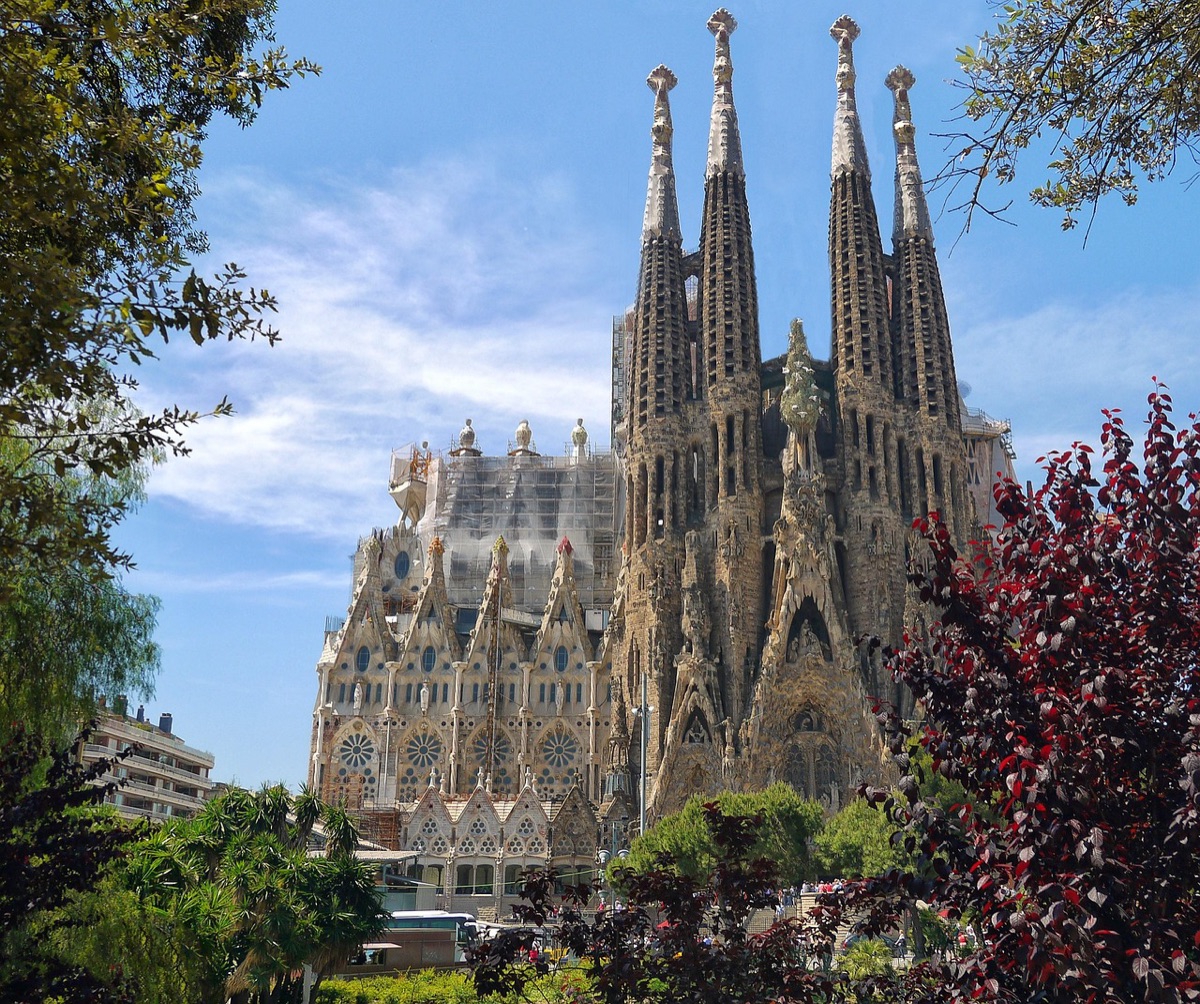
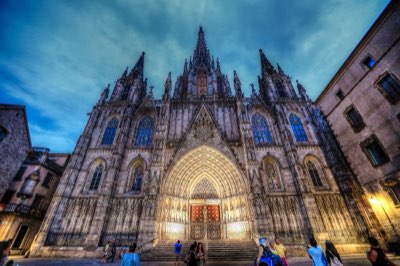
The Natity Façade, located on the eastern side, is highly decorative and represents the birth of Christ, while the Passion Façade is stark, angular, and more somber.
Inside, the columns do not look like traditional pillars; they branch out like giant stone trees. This forest of stone supports a ceiling that seems to float. The use of light is the true masterstroke.
The stained glass is arranged by color temperature: cool blues and greens on one side to represent the morning, and warm reds and oranges on the other to represent the evening.
As you move through the nave, follow the natural flow of the crowd, but don't be afraid to step into the side chapels to escape the main group. The transition from the heavy, sculptural exteriors to the light-filled, organic interior is the core of the Gaudí experience.
But for many, the interior is just the prelude to the climb.
Conquering the Towers: Is the Climb Worth It?
I remember the feeling of the narrow, winding staircase pressed against my shoulder as I began the ascent, the sound of my own breathing echoing against the stone. The towers are not an afterthought; they are a vital part of the vertical journey Gaudí intended.
To climb, you must have a specific tower ticket. You have two choices: the Nativity Façade towers (which offer views of the east and the sea) or the Passion Façade towers (which offer views of the western city).
Note that you can only go up one side, and you cannot switch once you have committed to your ticket.
The climb is physically demanding. You will be navigating narrow, spiral stairs that require a decent level of fitness and a lack of vertigo. However, the payoff is significant.
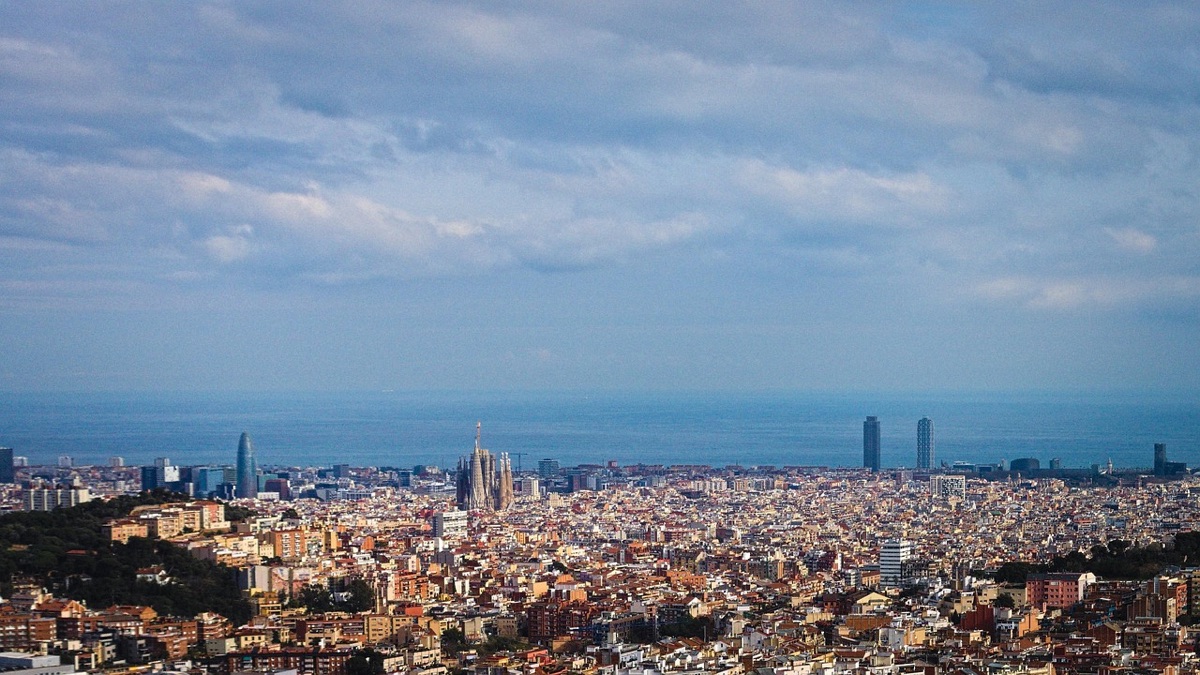
From the top, you gain a bird's-eye view of the geometric complexity of the roof and the sprawling urban layout of the Eixample district.
Managing expectations is key. The towers are often crowded, and you will be moving through a controlled flow of people. It is not a place to linger for an hour, but rather a brief, breathtaking moment of perspective.
Once you descend, you will find yourself back in the heart of the basilica, ready to process the scale of what you have just witnessed.
The Perfect Visit: How Do You Plan Your Day?
After you emerge from the Sagrada's shadow, the transition back to the city can feel jarring. The streets of the Sagrada Família neighborhood are bustling, filled with cafes and souvenir shops that cater to the constant stream of visitors.
To get the full context of Gaudí’s work, you should pair this visit with other masterpieces. A trip to Park Güell offers a more outdoor, whimsical look at his genius, while Casa Batlló provides a glimpse into the more domestic, elegant side of Catalan Modernism.
The basilica is also a symbol of Catalan identity. It is not just a tourist attraction; it is a living monument to a specific culture and a specific era of architectural revolution.
For logistics, the area is well-connected by the Sagrada Família metro station, making it easy to head toward the Gothic Quarter or the beach in minutes.
| Feature | Nativity Façade Tower | Passion Façade Tower |
|---|---|---|
| Primary View | Sea and Eastern Barcelona | City Center and Western Districts |
| Atmosphere | Ornate and detailed | Stark and modern |
| Physicality | Steep spiral stairs | Steep spiral stairs |
| Best For | Sunrise/Morning visitors | Afternoon/Sunset visitors |
A Step-by-Step Guide to Your Visit
- Secure your digital ticket: Do this at least two weeks in advance through the official website to ensure you get your preferred time slot.
- Choose your tower: Decide between the Nativity or Passion façades during the booking process; you cannot change this once you arrive at the gate.
- Arrive 15 minutes early: Head to the Sagrada Família metro station and walk to the entrance to allow time for security checks and finding your specific entry gate.
- Enter through the designated gate: Use your timed entry to enter the grounds and follow the staff to the specific door for your ticket type.
- Ascend or explore: If you have a tower ticket, head directly to the ascent point; otherwise, begin your walkthrough of the nave and side chapels.




Comments 0