Reaching the coastline with a Barcelona short trip plan
"The history of the city is etched into its very streets, from the Roman foundations to the modern coastline."
A Barcelona 2 day itinerary allows travelers to transition from the ancient Roman roots of the Gothic Quarter to the expansive coastline created for the Olympic games. This short trip plan focuses on historical depth and coastal relaxation, moving from underground ruins to the Mediterranean shore.
Key takeaways include exploring the Roman grid of the Barri Gòtic, visiting historical museums, and navigating the city toward the beach.
How to start a Barcelona 2 day itinerary?
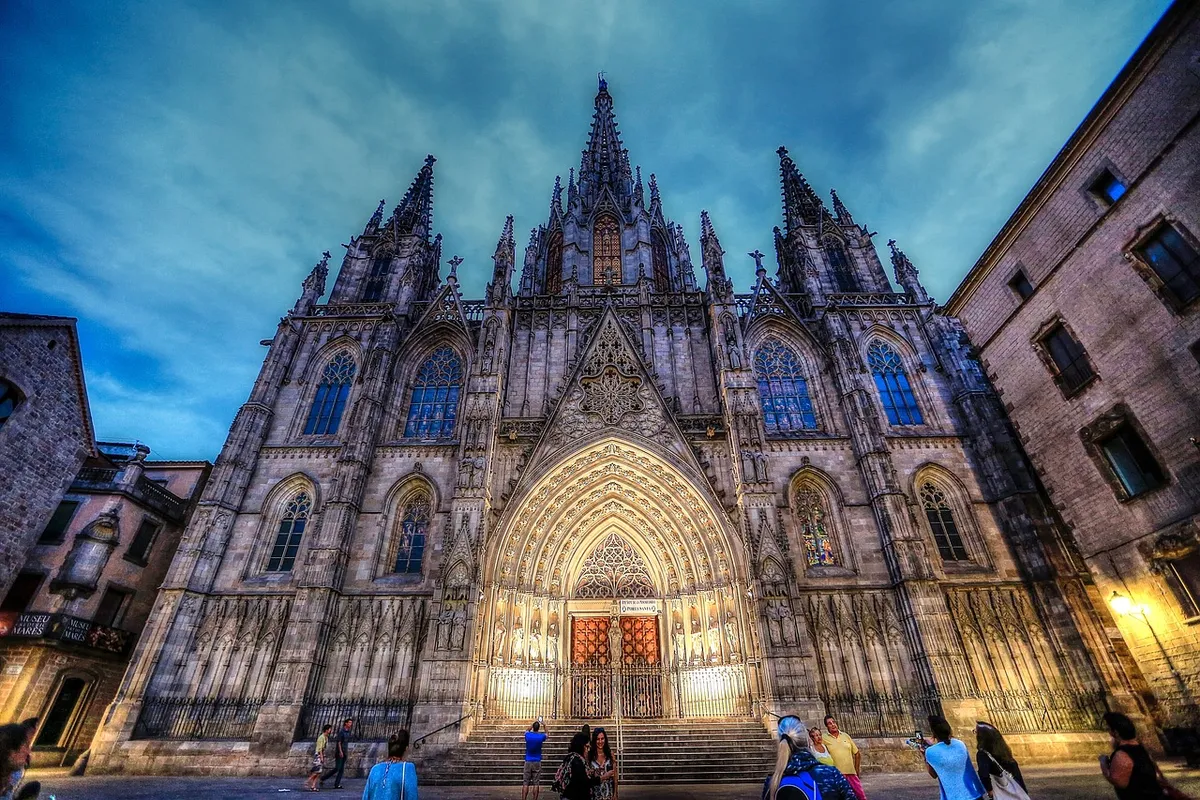
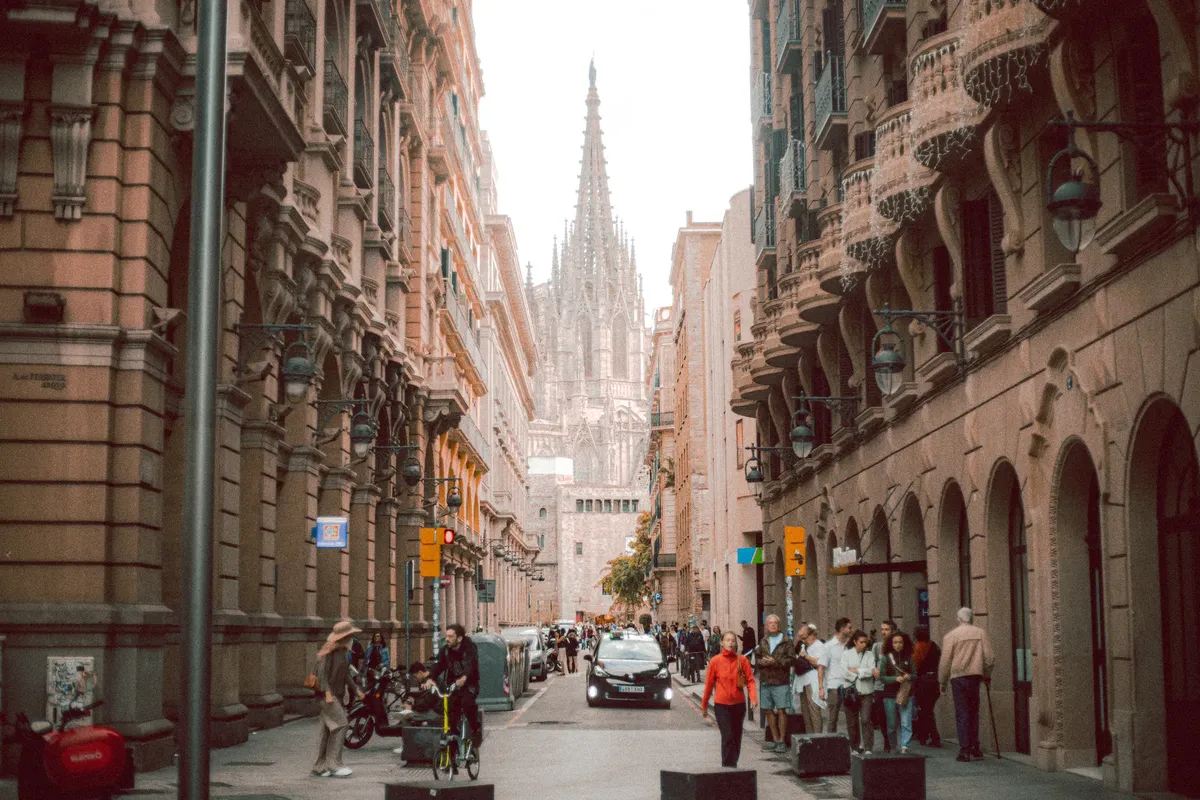
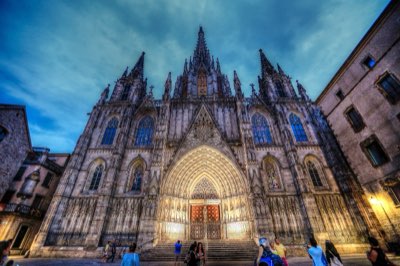
Walking through the narrow corridors of the Barri Gòtic provides an immediate sense of the city's deep history. The streets follow a typically Roman grid plan that remains visible in the layout of the historical center today.
Important Roman vestiges are displayed in the Plaça del Rei underground as part of the Barcelona City History Museum (MUHBA). Exploring these ruins offers a direct connection to the ancient foundations of the city.
This walking route serves as a perfect starting point for anyone seeking to understand the urban evolution of the region.
However, this approach may be difficult to follow if you arrive late in the evening or have significant luggage to manage.
How do I get from the Gothic Quarter to the sea? Navigating from the dense urban center toward the coast requires understanding how the city expanded over centuries. The transition from the old city to the modern waterfront highlights the unique architectural shifts of the Mediterranean.
History enthusiasts can spend time at the Barcelona City History Museum to see how the ancient layout compares to newer developments. A Barcelona 2 day plan often involves moving from these stone-walled streets toward the open air of the coast.
This movement from the Gothic Quarter to the sea route showcases the contrast between the enclosed historical center and the wide-scale urban expansion.

However, the narrow streets can be quite crowded, making it difficult to maintain a steady walking pace.
According to World Bank, the 2024 record includes 95.8%.
How should I move through the city in two days? Using public transport or walking allows for a seamless transition between the historic heart and the waterfront. The city's layout facilitates movement from the dense streets of the old quarter to the wide-open spaces of the beach.
As reported by the City Council, Barcelona's City Council started the Bicing service on 22 March 2007, a bicycle service understood as a public transport.
- Begin the morning by walking through the Barri Gòtic to observe the Roman grid and visit the underground ruins at Plaça del Rei. 2. Transition toward the coast by following the city's main thoroughfares that lead away from the historical center. 3. Conclude the journey by arriving at the waterfront, where the urban landscape opens up to the Mediterranean.
I found that walking the distance from the old ruins to the water provided a clear sense of how the city grew. This 2 day Barcelona guide ensures that both the ancient past and the modern coastline are experienced within a single weekend.
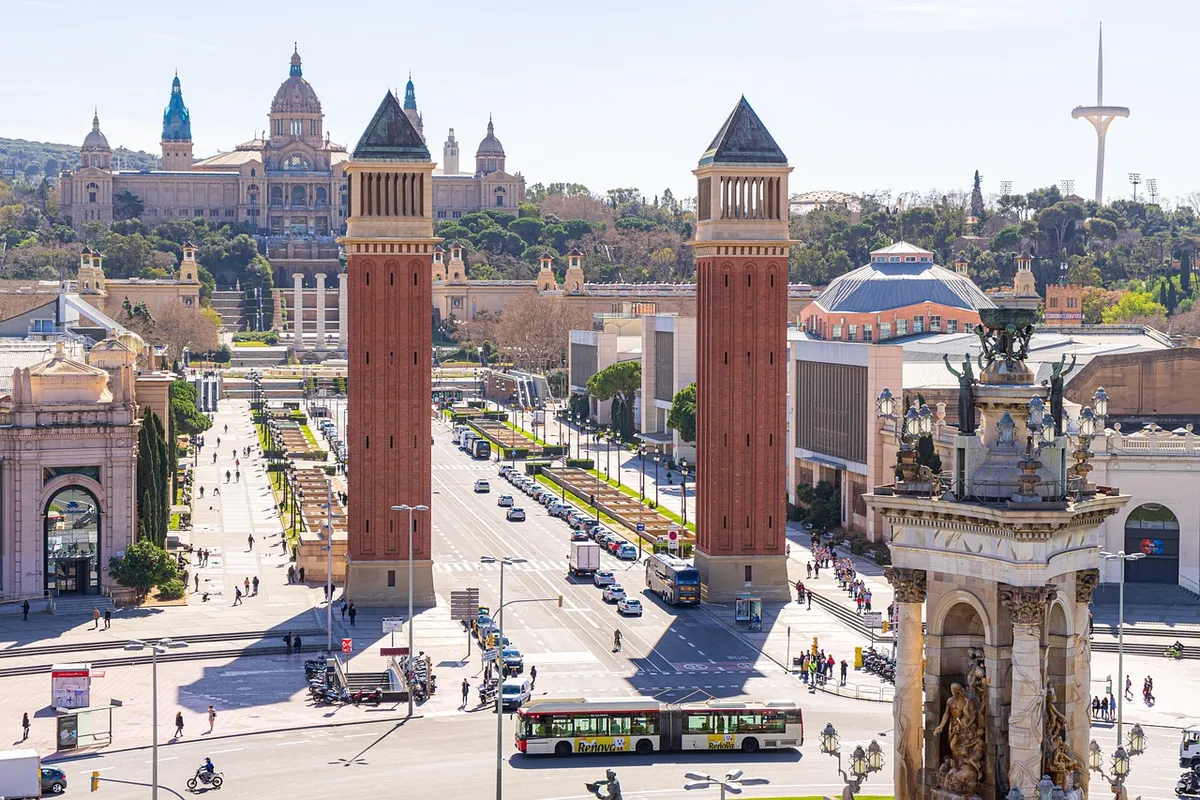
- Select a central starting point to minimize travel time between major landmarks.
- Use the metro system to navigate between distant neighborhoods efficiently.
- Group attractions by proximity to avoid spending too much time in transit.
Reaching the coastline with a Barcelona short trip plan
The transformation of the waterfront is a significant part of the modern city's identity. Large-scale urban changes once turned industrial zones into the expansive beach areas seen today. According to World Bank data, Spain recorded international tourist arrivals of 36,410,000 in 2020.
As part of the preparation for the games, industrial buildings along the sea-front were demolished and 3 km (2 mi) of beach were created. This massive project significantly expanded the available coastline for residents and visitors alike.
A Barcelona 2 day schedule that includes the beach allows travelers to experience the result of this massive urban renewal.
However, the effectiveness of this route depends on the time of year, as weekend crowds can significantly delay travel.
What are the unique features of the city?
The city's identity is tied to its architectural significance and diverse museum offerings. From the ancient to the modern, the landscape offers constant visual interest.
In July 2023, Barcelona was announced as the UNESCO-UIA World Capital of Architecture for the 2024–2026 term.
Visitors can also explore specialized sites, such as the Erotic museum of Barcelona, which is among the most peculiar ones, or CosmoCaixa, a science museum that received the European Museum of the Year Award in 2006.
These locations provide a cultural depth that complements the outdoor exploration of the streets.
| Feature | Description |
|---|---|
| Barri Gòtic | Historical center with a Roman grid plan |
| Waterfront | 3 km (2 mi) of created beach |
However, these distinctive elements may feel overwhelming if you are not prepared for a high-sensory environment.
The subject here is Barcelona 2 day itinerary.
This part also covers Gothic Quarter to beach.
This part also covers Walking from Gothic to beach.
Gothic Quarter to beach
Related
- Barcelona 5 day itinerary: How to plan your coastal journey
- How does the Rodri transfer impact look for Barcelona?
How does the city's history influence the modern layout?
The city's history dictates much of the current urban form, showing layers of development. The ancient Roman foundations established the initial structure of the city. This underlying framework provides the basis for the modern city's organization, visible in the old quarter.
The contrast between the original Roman planning and the modern coastal development illustrates the city's growth. The initial density of the old city contrasts sharply with the openness of the modern waterfront. This progression charts the city's adaptation over many eras.
However, the impact of historical preservation may limit the expansion of modern infrastructure in certain districts.
What role does the journey play in understanding the city?
The journey through the city allows a visitor to physically trace its development. Moving from the underground ruins to the modern beach provides a tangible timeline. This physical passage mirrors the chronological development of the city itself.
The contrast experienced during the walk vividly portrays the city's transformation. One observes the ancient constraints of the original city structure giving way to the expansive possibilities of the modern city. This contrast is key to grasping the city's enduring narrative.
How does the city's history inform the modern city's structure?
The city's history establishes the fundamental structure upon which the modern city is built. The ancient Roman foundations provided the initial blueprint for the city's expansion. This deep history influences the current organization of the city center.
The original planning of the city, visible in the old quarter, contrasts with the modern coastal development. This contrast effectively charts the city's adaptation across numerous eras. The initial density of the city stands in opposition to the openness of the contemporary waterfront.



Comments 0