5 Rules for Surviving & Thriving in a Tapas Bar Setting
"Don't just eat in Barcelona; learn to move with the rhythm of the city's plates."
Skip the tourist traps and dine like a true Catalan local by mastering the unspoken rules of the tapas bar. Instead of sitting for a heavy, three-course meal, you will learn to navigate the social dance of small plates, shared plates, and the specific timing that keeps this city alive.
* The dining experience is communal; small plates are meant for sharing. * Ordering is a rhythm, not a transaction—know what to say and when. * Navigating the bar requires understanding the difference between *raciones* and *tapas*.
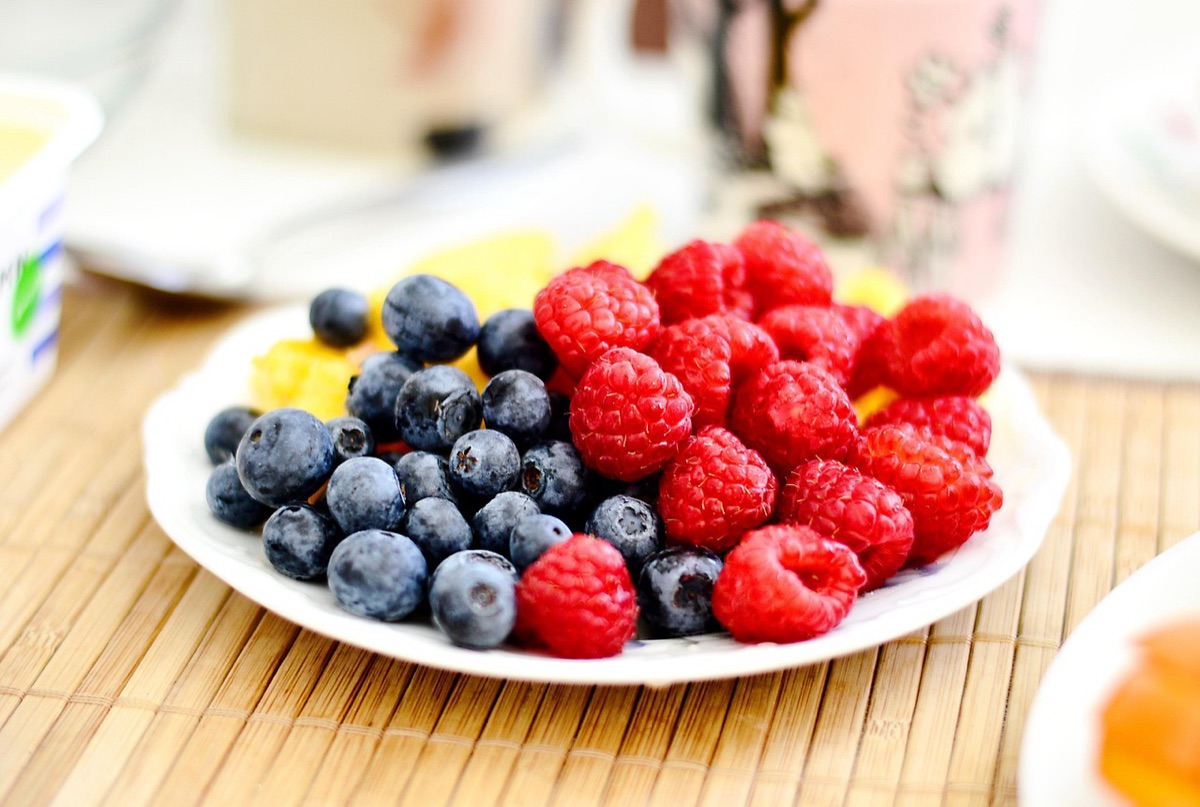
Why is tapas more than just appetizers?
The sun sets over the Mediterranean, casting a golden glow on the cobblestones of the Gothic Quarter, and you find yourself standing in a crowded, dimly lit bar.
The air is thick with the smell of fried calamari and the sound of clinking glasses, but you aren't quite sure where to stand or what to order.
In Catalonia, eating is rarely a static event. While tourists often look for a chair and a menu, locals often treat tapas as a social lubricant—a way to transition between activities or to fuel a night of walking.
It is a moving experience, often spent standing at the *barra* (the bar counter), which is the heart of the establishment.
Understanding the scale of your order is vital to avoid awkwardness. In a local setting, you will encounter a spectrum of portion sizes: a *tapa* is a small snack-sized portion, a *media ración* is a medium plate meant for two, and a *ración* is a large platter designed for a group.
Because of the high volume of international visitors—reaching 36,410,000 arrivals in 2020 alone—many establishments have adapted to larger portions, but the traditional spirit remains.
If you are just grazing, do not order a full main course. If you order a large *ración* for one person, you might find yourself overwhelmed or accidentally signaling to the staff that you are a group of four.
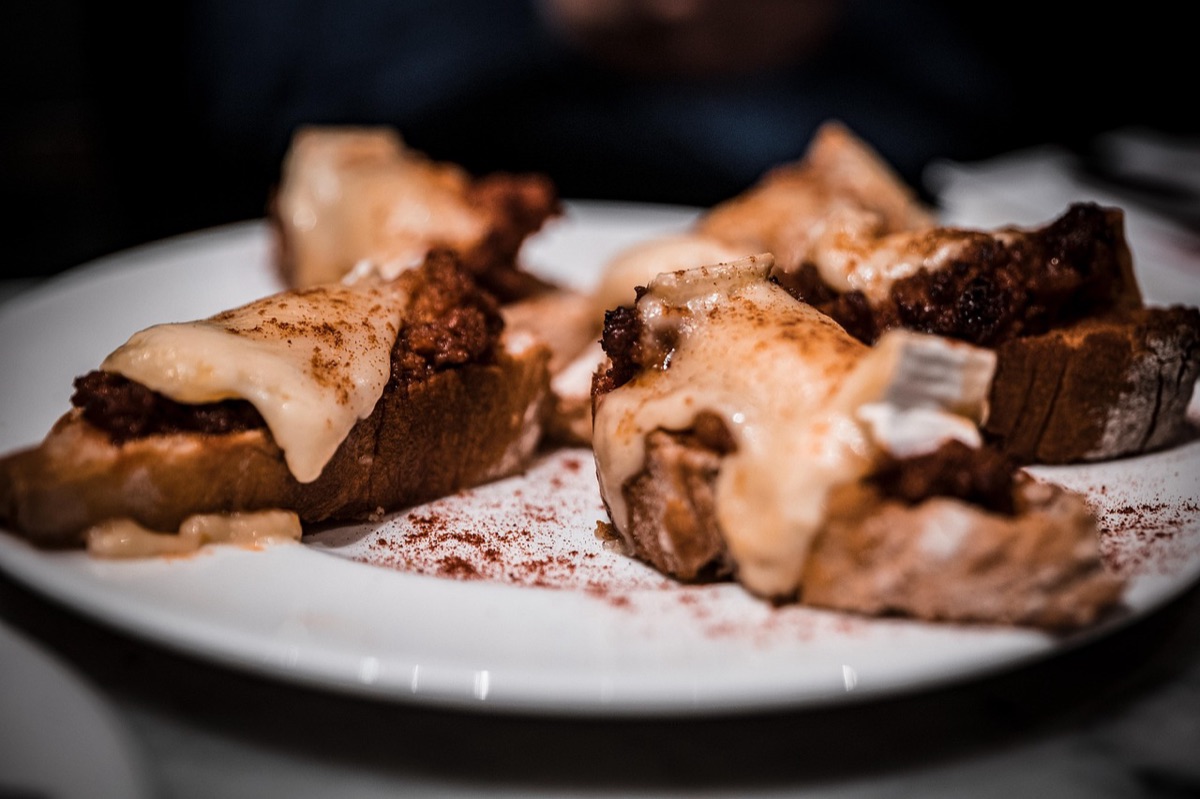
How do you master the ordering ritual?
You stand at the wooden counter, eyes darting between the chalkboard menu and the busy server weaving through the crowd. You want to order, but you don't want to interrupt the flow of the busy bar or look like you are stalling.
The language barrier can feel daunting, but you don't need to be fluent to navigate a menu. In Catalonia, you will often see both Catalan and Spanish. While "Please" (*Por favor*) and "Thank you" (*Gracias*) are essential, knowing how to specify quantity is the real key.
If you want a medium portion, ask for a *media ración*. If you want to settle the bill, you can say *la cuenta, por favor*.
Pacing is everything. In a busy bar, you don't order everything at once. You order a drink and a small snack, wait, and then perhaps add another plate later. This is "the rhythm." If you try to order a massive feast all at once, you might disrupt the kitchen's flow.
When I first tried this in 2025, I accidentally ordered three large plates for a party of two, resulting in a table overflowing with food we couldn't possibly finish. I learned quickly that the "one plate per person" rule is a safe baseline.
Regarding the "payment dance," tipping in Spain is much more relaxed than in the United States. While you might leave a few small coins for excellent service at a table, it is not expected to leave a 20% tip. At a bar, rounding up to the nearest Euro is common.
If you are truly lost, do not be afraid to point at the chalkboard or the items in the display case; visual communication is a perfectly acceptable way to order.
What is the difference between a bodega and a modern bar?
You walk down a narrow street in El Born, passing a sleek, modern establishment with minimalist decor, only to find a traditional, wood-paneled *bodega* just a few doors down. You wonder: which one is the "real" experience?
The difference between these spaces defines your night. A traditional *bodega* is often a neighborhood staple, focusing on cured meats, cheeses, and local wines. A modern tapas bar might experiment with fusion flavors and more contemporary plating.
Then there is the seafood market-style bar, common near the coast, where the freshness of the catch is the star.
To spot a genuine local haunt versus a tourist trap, look at the crowd and the menu. If the menu is only in English and features "tourist specials" like giant paella-to-go boxes, you are likely in a trap. A real local spot often has a limited, seasonal menu that changes frequently.
The *barra* versus the table is also a key distinction. Sitting at the bar is often cheaper and faster, making it the preferred spot for locals. Tables are often reserved for longer, more leisurely meals.
When you are at the bar, you are part of the action, often eating alongside neighbors and regulars.
| Feature | The *Barra* (Bar Counter) | The *Mesa* (Table) |
|---|---|---|
| Vibe | Fast-paced, social, casual | Relaxed, conversational, formal |
| Price | Often lower (sometimes cheaper food) | Standard menu pricing |
| Best For | Quick bites, solo travelers, local feel | Groups, long dinners, families |
| Etiquette | Keep it moving; easy to join/leave | More permanent; stay for the meal |
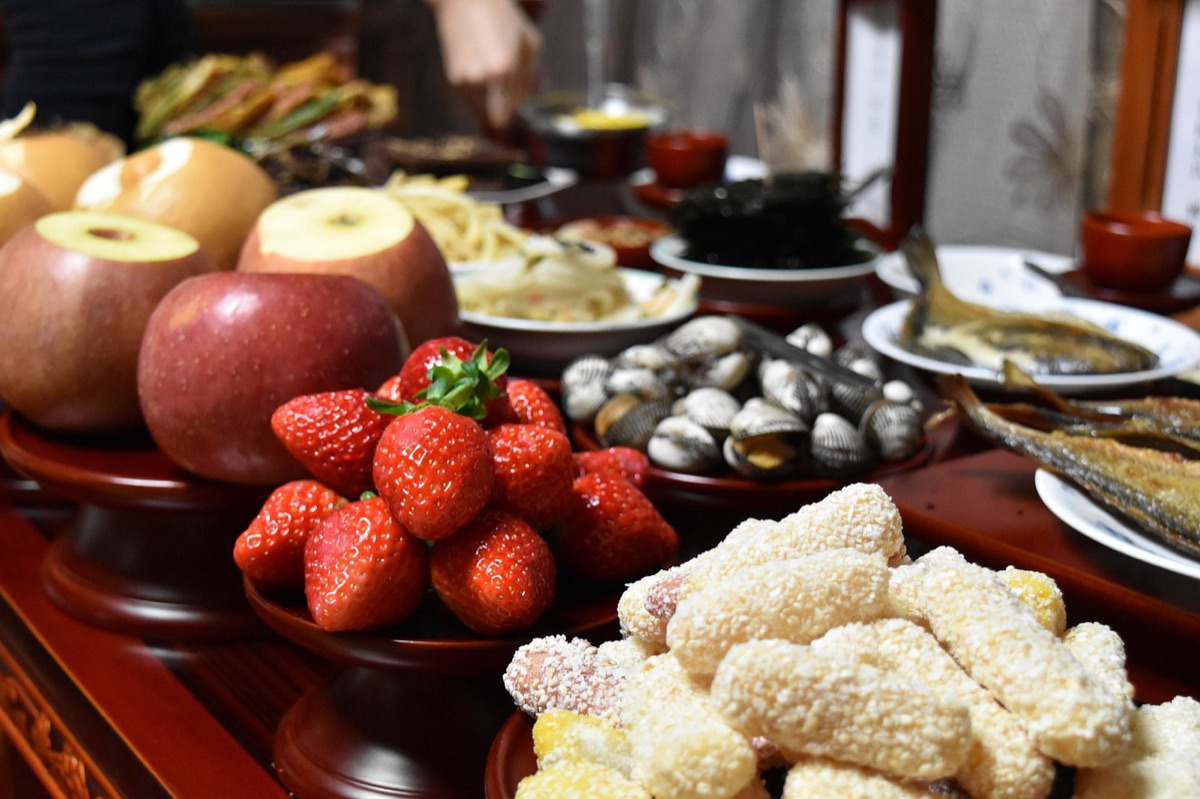
How do you dine like a local?
You sit down with a group of friends, and a large plate of *patatas bravas* arrives in the center of the table. Everyone reaches in at once, but you realize you aren't sure if you should wait or if you are expected to share everything you order.
The communal mindset is the default. In a group, ordering several *raciones* to share is the standard way to eat. However, if you are traveling alone or in a pair, you should stick to *tapas* or *media raciones* to ensure you don't over-order.
The pace of dining in Barcelona is leisurely. Unlike the "grab-and-go" culture of many American cities, a meal here is an event. Even if you are eating at a busy bar, there is an unspoken rule of slowing down.
You don't rush through your food to make room for the next person; you linger, sip your drink, and engage in conversation.
If you are visiting multiple bars in one night—a common practice known as "tapas crawling"—the pace changes. You might have one small plate and a drink at one spot, then move to another.
In this case, you are a "grazer." This is a perfectly acceptable way to experience the city's culinary diversity without feeling weighed down by a single heavy meal.
To navigate a perfect evening of tapas, follow this checklist:
- Select your setting: Choose a *barra* for a quick, social bite or a *mesa* for a group meal.
- Assess the portion: Order *tapas* for individuals and *raciones* for groups of 3 or more.
- Time your orders: Start with a drink and one small plate; wait 15–20 minutes before adding more.
- Manage the bill: Round up your change or ask for *la cuenta* when you are ready to transition.
Beyond the plate: How to enhance your visit
After a delicious spread of seafood tapas in La Barceloneta, you step out of the bar and feel the sea breeze. The transition from the warmth of the restaurant to the vibrant energy of the street is seamless.
According to World Bank data, Spain recorded international tourist arrivals of 36,410,000 in 2020.
Tapas dining is often the perfect way to fuel your exploration. A quick bite in the Gothic Quarter can give you the energy needed to climb the hills of Montjuïc or wander through the Park Güell.
Because many tapas bars are tucked into narrow streets, they serve as excellent starting points for neighborhood walks.
To wrap up a perfect day, consider a post-sightseeing digestif. After a long day of walking through Gaudí's masterpieces, returning to a quiet bar for a small sweet tapa and a glass of local vermouth is the ultimate way to reflect on your journey.
#






Comments 0