Barcelona Stays: Find Your Perfect Match for Your Dream Trip
"The right street corner can make or break your entire Mediterranean dream."
Choosing where to lay your head in Barcelona isn't just about a soft mattress; it is about deciding whether you want to wake up in a medieval labyrinth or a wide, sun-drenched boulevard. Your choice dictates your walking pace, your budget, and how often you'll be looking over your shoulder.
* Neighborhood choice depends entirely on your specific travel priorities like vibe, budget, and transit access. * The Gothic Quarter offers deep historical immersion but requires constant vigilance against pickpockets. * Eixample provides a structured, elegant, and highly connected environment that is often easier to navigate. * Safety and atmosphere must be carefully balanced against your total travel budget.

Why Does Location Matter in Barcelona?
The sun hits the stone walls of a narrow alleyway in the Gòtic at 8:00 AM, casting long shadows that make it easy to lose your sense of direction. You turn a corner, expecting a plaza, but find yourself in a dim, winding passage that feels like stepping back five hundred years.
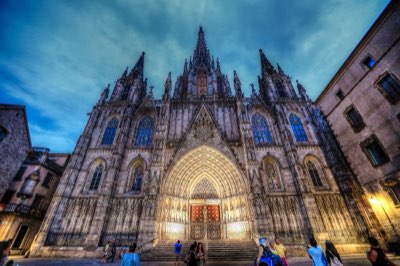
The Gothic Quarter (Gòtic) is the heart of old Catalonia, a place of narrow streets and hidden squares that pulse with energy. Staying here means you are steps away from the Cathedral and the Roman walls, offering an unmatched sense of historical immersion.
However, the layout is a maze, and the high density of crowds makes it a prime target for petty theft.
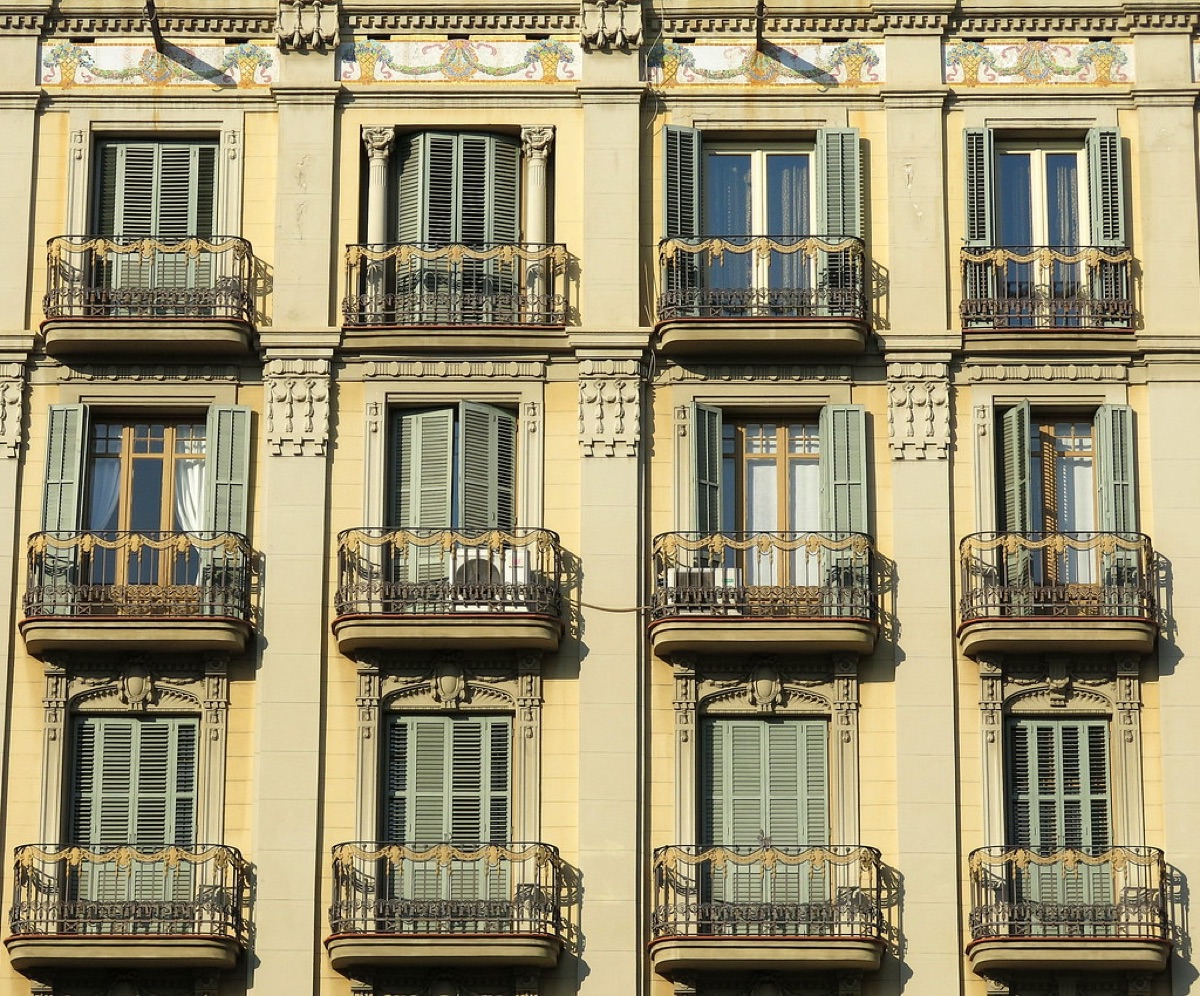
In contrast, the Eixample district feels like a different world, designed with wide, gridded boulevards that reflect 19th-century urban planning. It is upscale, organized, and offers some of the city's best dining and shopping.
While it lacks the "old world" grit of the Gòtic, it provides a much smoother logistical experience.
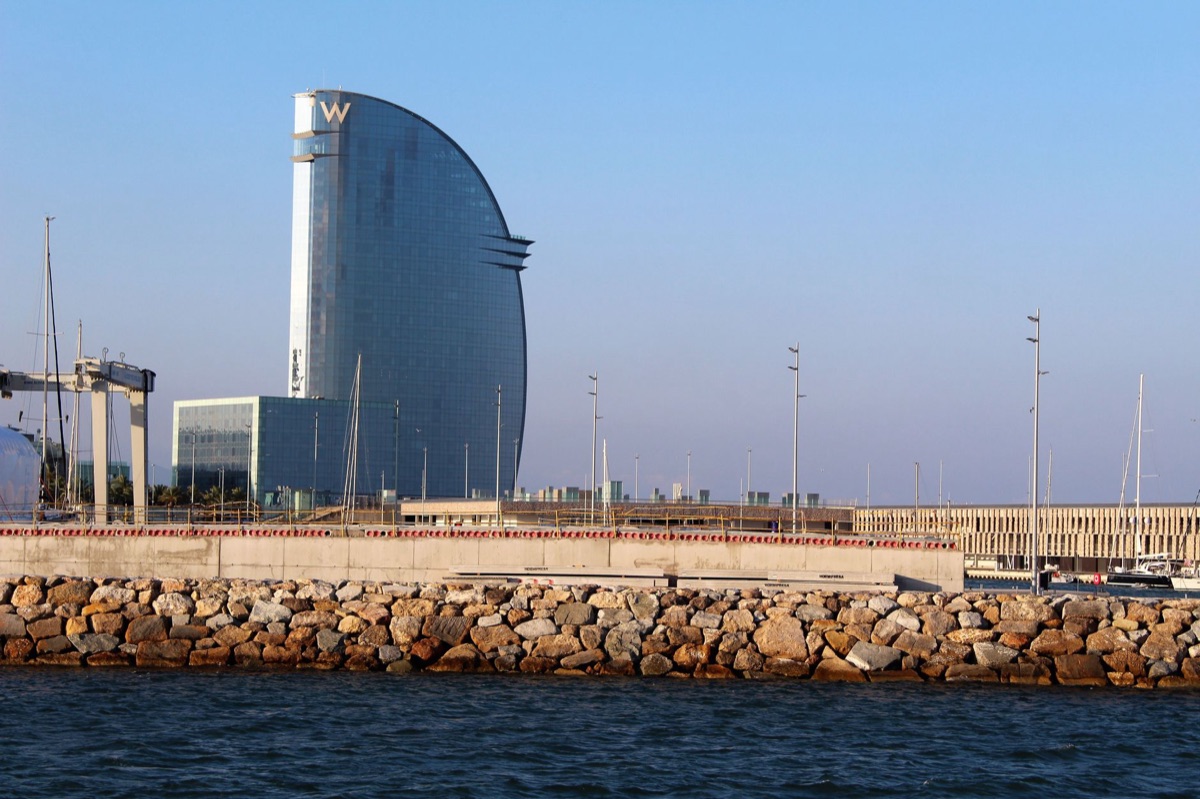
If you head toward the coast, the beach areas offer a laid-back, Mediterranean lifestyle where the sea breeze replaces the city hum. While relaxing, these areas can feel heavily tourist-centric and often come with a premium price tag for ocean views.
| Neighborhood | Safety Score | Atmosphere Score | Budget Score |
|---|---|---|---|
| Gothic Quarter | Moderate | Very High | Moderate |
| Eixample | High | High | Variable |
| Beach Area | Moderate | High | Low (Expensive) |
The sheer volume of visitors—with international arrivals reaching 36,410,000 in 2020 according to World Bank data—means that choosing a neighborhood is the first step in managing your personal experience within the crowds.
How can I stay safe and navigate Barcelona like a local? A crowded metro station at rush hour feels electric, but a sudden tug on your jacket or a bumped shoulder can turn excitement into panic in a split second. You reach for your pocket to check your phone, only to realize your wallet is gone.
Pickpocketing is the most common challenge for travelers in Barcelona. It is rarely violent, but it is highly efficient. Common tactics include the "distraction" method—someone spilling something on you or asking for directions—while an accomplice lifts your belongings.
Because of the high density of people in transit hubs and tourist landmarks, staying aware of your surroundings is non-negotiable.
Neighborhood safety profiles vary by setting. The Eixample is generally perceived as very safe due to its open streets and constant foot traffic. The Gothic Quarter is safe in terms of violent crime, but the narrow, dim streets can make you feel vulnerable and provide cover for quick-handed thieves.
The beach areas are generally safe during the day, but like any coastal city, they require caution during late-night strolls.
To stay safe, always keep your phone in a front pocket and your wallet in a secure, internal compartment. When dining at outdoor tables, never leave your phone sitting on the table or your bag hanging on the back of your chair.
How do I balance my budget with the best experiences? You sit at a small cafe table, looking at a receipt that seems much higher than the local prices you saw online. You realize that paying less for a room in a loud, central district might mean spending more on taxis or losing sleep to street noise.
The cost of accommodation fluctuates wildly based on your chosen zone. The Gothic Quarter often offers budget-friendly hostels and boutique guesthouses, but you pay in "noise tax" and the need for constant vigilance.
Eixample offers a wide spectrum, from luxury hotels to mid-range stays, often providing better value for the quality of service you receive.
The beach areas often command the highest prices, especially during peak summer months. While you pay for the view, you must also consider the "hidden costs" of being in a tourist bubble.
Dining in these areas can often lead to "tourist trap" pricing, where the food quality doesn't match the inflated cost.
When deciding if a prime location is worth the extra cost, ask yourself: will I be spending most of my time walking or taking the metro? If you plan to be a constant wanderer, a central, albeit more expensive, base might save you hours of transit time every day.
Beyond the Hotel: Local Life & Logistics
The sound of the metro doors sliding shut signals the start of a long journey across the city. You check your transit card, wondering if you have enough credit to make it to the outskirts of the city for the afternoon.
Getting around is efficient thanks to the extensive metro system. For most travelers, a T-casual pass—a multi-trip card—is the most cost-effective way to navigate. Eixample is a logistical dream because of its grid layout, making it easy to find your way back to your hotel.
The Gothic Quarter, however, requires a better sense of direction or a reliable map app.
If you plan on taking day trips to places like Montserrat or the coast of Sitges, your choice of base matters. Staying in a central hub like Eixample or near Plaça de Catalunya makes catching trains and buses much simpler.
Dining is also a logistical factor. Staying in the Gòtic puts you in the middle of the action, but you might find yourself eating at repetitive tourist spots.
Moving slightly away from the absolute center into neighborhoods like Gràcia or even parts of Eixample can lead you to more authentic, local culinary experiences.
How to Choose Your Base: A Step-by-Step Checklist
You stand at a crossroads in a busy plaza, looking at a map of the city. One path leads to the historic heart, another to the modern boulevards, and a third toward the sea.
To make your final decision, follow this practical checklist:
- Identify your primary mode of transport: If you rely on walking, choose the Gòtic or El Born. If you need easy metro access for day trips, choose Eixample.
- Set your noise tolerance: If you are a light sleeper, avoid the Gòtic's narrow streets where sound bounces off stone walls. Choose Eixample for quieter, more modern accommodations.
- Calculate your "transit tax": Compare the lower nightly rate of a central hostel against the cost of daily metro trips or taxis if you stay in a more remote, cheaper area.
- Check your luggage situation: If you have heavy bags, avoid the Gòtic's cobblestone streets and steep stairs. Opt for the flat, wide sidewalks of Eixample.
- Verify your "tourist bubble" threshold: If you want to escape the crowds, look at Gràcia. If you want to be in the thick of it, stay near Plaça de Catalunya.
Quick Decision Guide: Who is This For?
You stand at a crossroads in a busy plaza, looking at a map of the city. One path leads to the historic heart, another to the modern boulevards, and a third toward the sea.
* The First-Timer: If this is your first trip, Eixample is your best bet. It offers a perfect balance of safety, easy navigation, and proximity to major sights like Gaudí's works. * The Deep Diver: If you want to feel the pulse of history and don't mind a bit of chaos, the Gothic Quarter is for you. It is for the traveler who wants to wake up in the middle of a masterpiece. * The Efficiency Seeker: For those traveling for business or those who prioritize structure and easy transit, Eixample remains the gold standard.





Comments 0