9 AM to 10 PM: Timing Your Visit to Barcelona's Gothic Core
"The streets of the Gothic Quarter do not follow a map; they follow the ghosts of Roman walls and medieval kings."
If you walk into the Barri Gòtic expecting wide boulevards and clear signage, you will be lost within twenty minutes. This is a district of narrow, winding stone corridors designed centuries before the concept of a GPS existed.
To navigate it successfully, you must stop trying to "conquer" the map and start learning to follow the flow of the architecture.
Key Takeaways * The Gothic Quarter is a labyrinth; pick one specific direction or landmark to prevent aimless wandering. * Time your visit for early morning to see the architecture or late evening for the atmosphere, avoiding the midday crush.
* Stay hyper-vigilant regarding pickpockets, as the narrow streets and heavy crowds create perfect cover for theft.
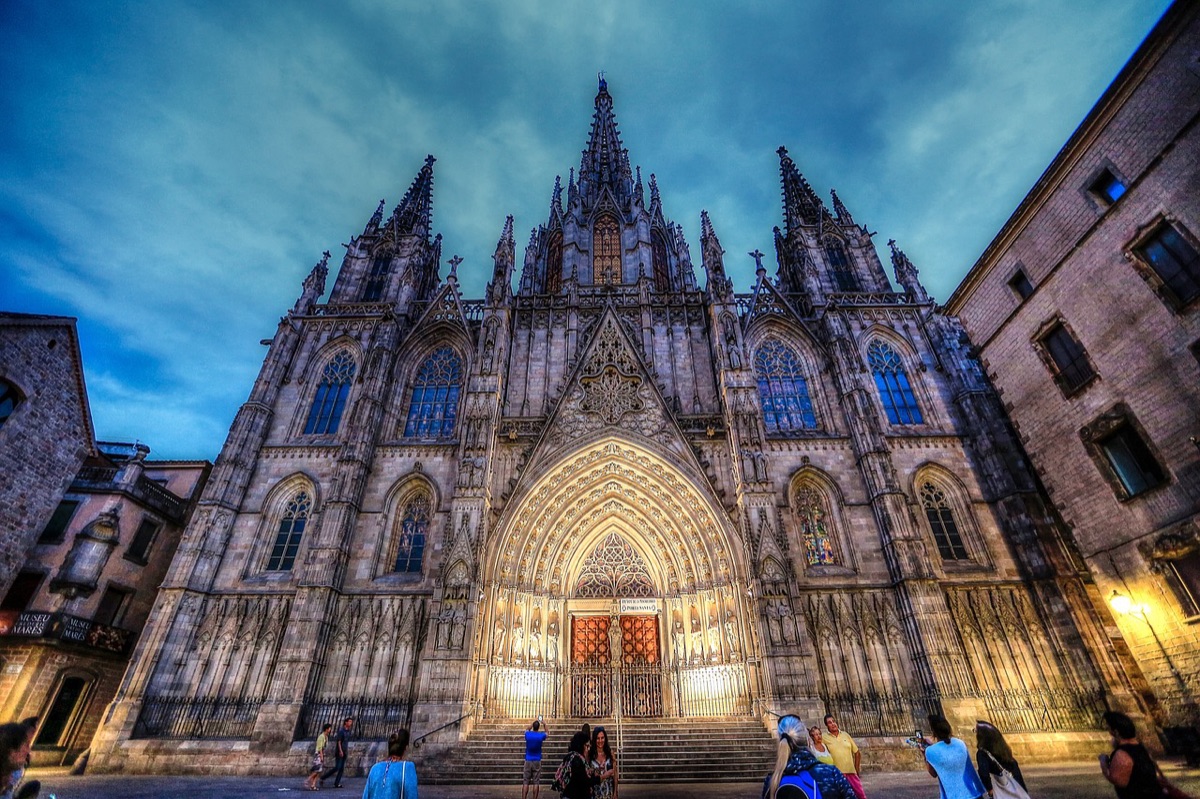
Why the Gothic Quarter? A First-Timer's Survival Guide
According to the World Bank, Spain recorded a share of internet users of 95.8% in 2024.
The Gothic Quarter is the historical heart of Barcelona, a dense knot of Roman remnants and medieval architecture that predates the planned expansion of the Eixample district. Unlike the wide, grid-based streets of the later city, the Gòtic is a vertical and horizontal maze.
It is easy to feel overwhelmed by the sheer density of history packed into such a tight footprint.
One of the biggest mistakes travelers make is treating this district like a theme park where you can see everything in two hours. It is not a checklist; it is an atmosphere. If you try to see every church, plaza, and courtyard in a single afternoon, you will end up exhausted and frustrated.
Instead, approach your visit with a single objective—perhaps visiting the Barcelona Cathedral or finding a specific hidden plaza—and let the wandering happen naturally around that anchor.
Because the streets are so tight, the "vibe" changes every time you turn a corner. One moment you are in a bustling plaza filled with tourists, and the next, you are in a silent, shadow-drenched alleyway that feels like the 14th century.
This transition is why people visit, but it is also why you need a plan. If you are staying in a hotel in the Eixample or near the beach, you will likely use the Gothic Quarter as a walking excursion, so understanding its layout is vital to getting back to your accommodation without a struggle.
But how do you actually move through these stone veins without getting stuck in a loop?
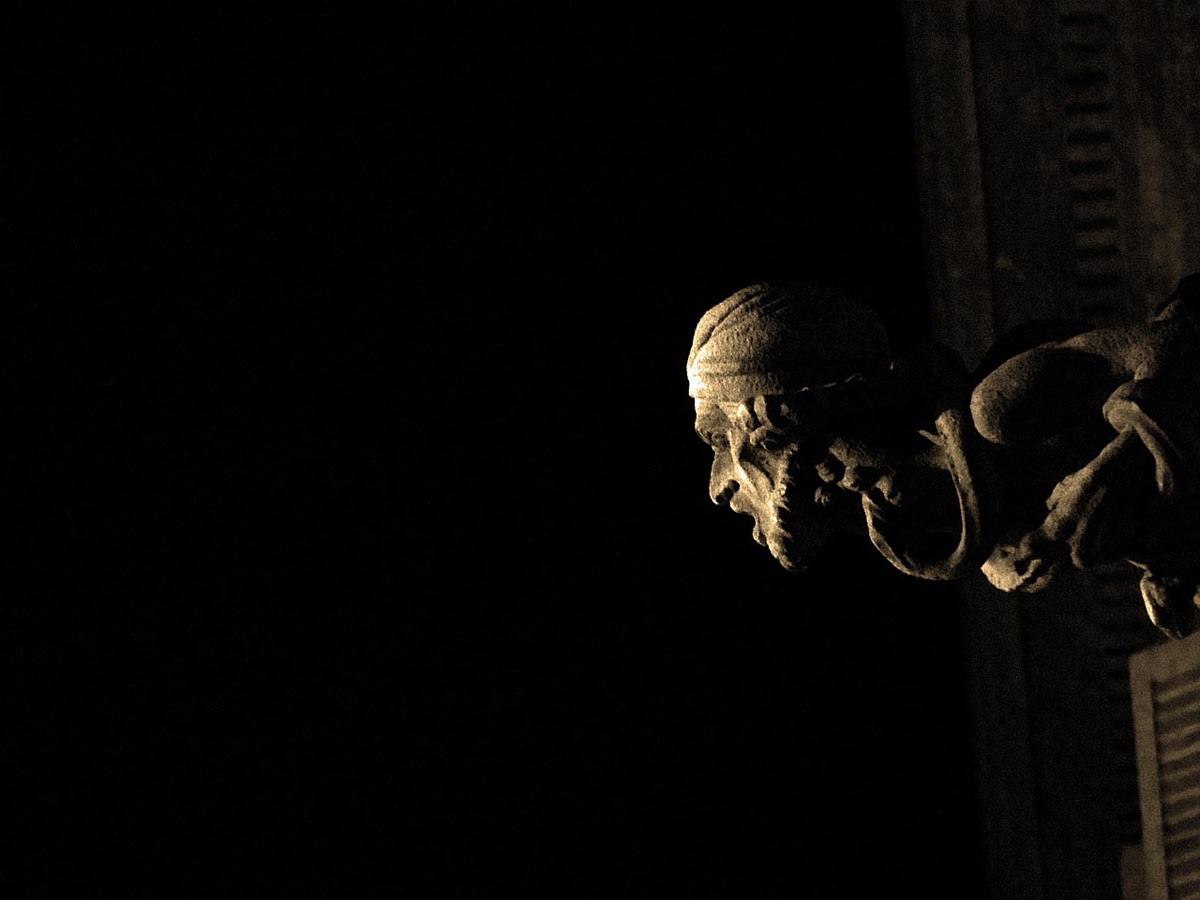
What is the most efficient way through the labyrinth? I remember stepping out of a metro station near Plaça de Catalunya and feeling an immediate sense of disorientation as the wide avenue vanished into a narrow stone throat. I had to stop, lean against a cool stone wall, and look up to find my bearings.
To navigate efficiently, you need to understand that the Gothic Quarter operates on a series of "spines" and "loops." Most visitors enter from the upper side (near Plaça de Catalunya) and work their way down toward the sea.
The "Must-See Spine" Strategy The most logical way to navigate is to identify your entry point—usually the gates of the old city walls—and follow the natural flow toward the Mediterranean. If you start at the Cathedral, you are essentially at the highest point of the old city.
From there, you can move downward through the various plazas.
Thematic Paths for Different Interests If you are a history buff, your route should focus on the "Religious Pilgrim's Path," moving from the Cathedral to the Plaça de Sant Jaume (the seat of Catalan government) and then toward the Roman walls.
If you prefer a more social experience, follow the "Foodie's Shortcut," which skirts the edges of the district toward the Boqueria market and the El Born neighborhood.
Time-Sensitive Targets If you want to catch the light hitting the Gothic Cathedral's spires, you must be there in the early morning. If you want to see the district transition from a daytime tourist hub to a nighttime social center, aim for a late afternoon arrival.
Planning your route around a specific time-sensitive landmark prevents you from walking in circles.
| Route Type | Primary Focus | Best Time to Visit |
|---|---|---|
| Historical Deep Dive | Roman walls, Cathedral, Plaça de Sant Jaume | Morning (8:00 AM - 11:00 AM) |
| Atmospheric Wander | Hidden courtyards, narrow alleys, local shops | Late Evening (7:00 PM - 10:00 PM) |
| The Urban Explorer | Plazas, street performers, transition to El Born | Mid-Afternoon |
However, knowing the route is only half the battle; you also have to know what to look for once you arrive.
Where are the hidden gems and local pulse points? The sound of a distant accordion echoed through a tiny archway, leading me away from the crowded souvenir shops and into a courtyard so quiet I could hear my own breathing. It felt as though I had stepped through a portal into a different century.
To truly experience the Gothic Quarter, you must look away from the main thoroughfares. The "tourist traps"—shops selling cheap magnets and mass-produced trinkets—are usually located on the widest, most central streets.
To find the real pulse of the neighborhood, you must turn into the smaller, secondary streets.
Look for the small, quiet plazas that don't appear prominently on large-scale maps. These are often the heart of local life, where elderly residents sit on benches and the architecture is better preserved because foot traffic is lower.
In these pockets, you can see the authentic cadence of the neighborhood: laundry hanging from wrought-iron balconies, small local workshops, and the quiet dignity of centuries-old stone.
When you encounter local commerce—small bakeries, tiny bookstores, or traditional apothecaries—you are seeing the remnants of the neighborhood's original identity. While many shops have shifted toward tourism, there are still pockets of genuine local life.
A good rule of thumb: if a restaurant has a menu with pictures of food and a person standing outside inviting you in, it is likely a tourist trap. If the menu is small, written in Catalan or Spanish, and tucked inside a doorway, you have likely found something worthwhile.
But as you move through these beautiful, narrow spaces, you might find yourself feeling a bit too exposed.
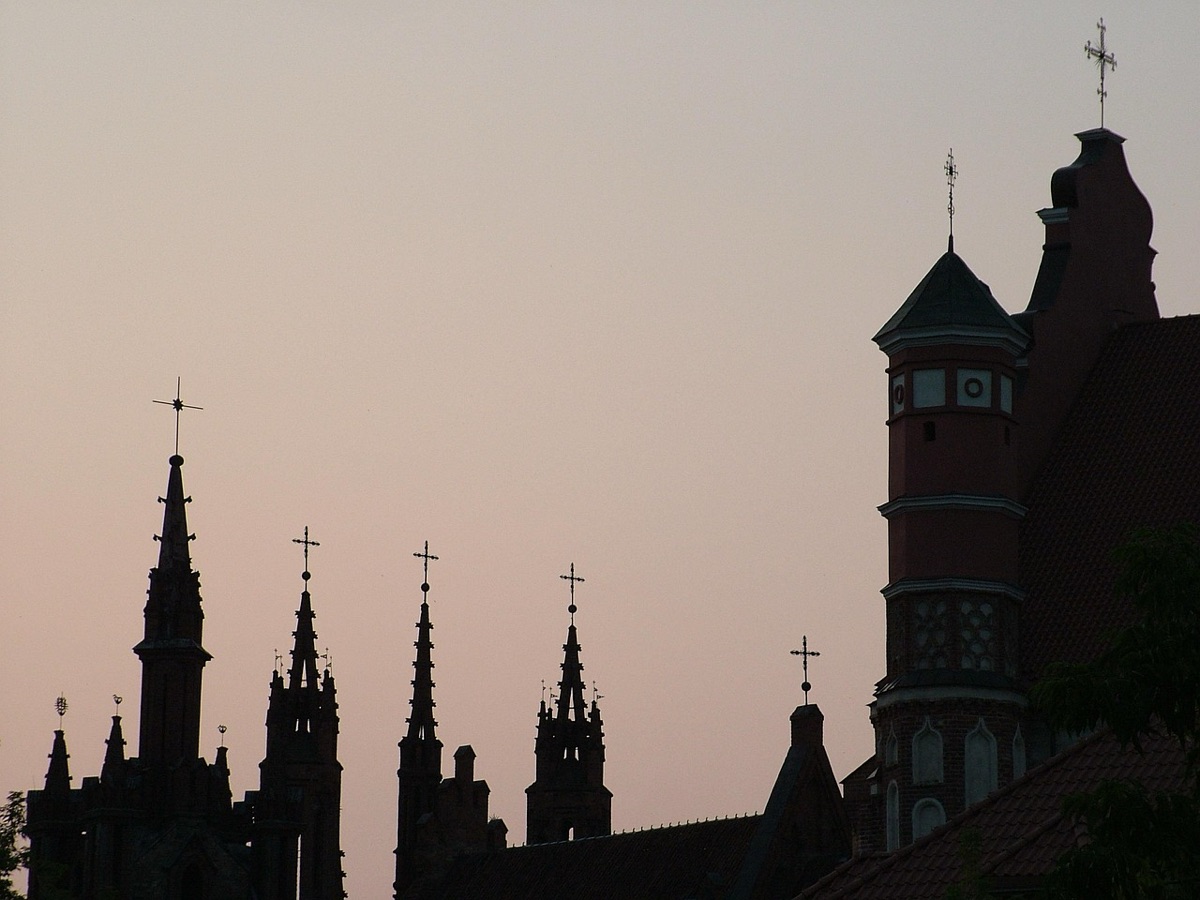
Safety First: Navigating Crowds and Petty Thieves
A sudden tug at my shoulder made me spin around, my heart racing as I realized my wallet was still in my pocket, but my sense of security had vanished. The crowded street felt suddenly much tighter, and the eyes of the crowd felt much more observant.
The high density of the Gothic Quarter makes it a prime environment for pickpockets. The narrow streets, constant crowds, and the natural distraction of looking up at beautiful architecture create the perfect conditions for petty theft.
Common Tactics to Watch For * The Distraction: Someone may bump into you, spill something on your clothes, or ask for directions to draw your attention away from your pockets or bag.
* The Group Squeeze: In very crowded areas, a group may surround you, creating a momentary "clutter" that allows a thief to slip a phone or wallet out of a bag unnoticed.
* The "Helpful" Stranger: Someone offering unsolicited assistance or pointing out a "lost" item often uses the moment of engagement to lift valuables.
Practical Countermeasures To stay safe, you must be proactive rather than reactive. Never keep your wallet in your back pocket, and always wear your backpack on your front in crowded areas.
If you are using a phone for navigation, do not stand in the middle of a busy walkway to check it; step into a doorway or a shop to look at your map. Being self-sufficient with your valuables—keeping your passport and extra cash in a secure hotel safe—is essential.
Your goal is to be an invisible, prepared traveler.
But how do you tie all these separate moments into one perfect day?
Pairing Experiences: Making the Quarter Visit Cohesive
I sat at a small table in a dim corner of a plaza, a glass of red wine in hand, watching the transition from the golden hour to the blue dusk. The transition from the historical walk to this moment of stillness felt like the perfect conclusion to a long day of exploration.
To make your visit to the Gothic Quarter truly memorable, you should pair it with another distinct experience to create a cohesive day. A visit to the district should not exist in a vacuum; it should be a chapter in your larger Barcelona itinerary.
Thematic Pairing Examples * The Cultural Morning: Start with a deep historical walk through the Gothic Quarter in the morning, then transition to the Gaudí architecture of the Eixample in the afternoon. This contrasts the medieval old city with the modernism of the 19th century.
* The Evening Glow: Spend your afternoon exploring the museum district or the Picasso Museum, then head to the Gothic Quarter in the evening to absorb the nighttime atmosphere and enjoy a late tapas dinner.
Pacing Your Visit A "deep dive"—where you explore the side streets and hidden courtyards—typically requires at least four to five hours. A "snapshot" visit, where you simply walk through the main landmarks, can be done in two hours.
If you find yourself getting lost or tired, do not force the exploration. It is better to return to your hotel, regroup, and come back with a fresh perspective than to wander aimlessly and frustrated.
To make your trip successful, follow this simple checklist:
- Choose an Anchor: Pick one major site (like the Cathedral) as your starting point so you always have a sense of direction.
- Time Your Arrival: Aim for 8:30 AM to beat the crowds or 7:00 PM to experience the evening energy.
- Secure Your Valuables: Before you leave your hotel, split your cash and keep your passport in a secure, hidden place.
- Walk the Loops: Instead of following a straight line, move through one plaza at a time to prevent getting lost in the maze.
- Check the Menu: Always verify that a restaurant is local by checking for a lack of English-only signage and photo-heavy menus.







Comments 0