Barcelona day trip guide: Architecture or coastal views?
"Planning a trip to the Mediterranean coast requires balancing urban grandeur with the natural beauty of the surrounding plains and mountains."
Choosing between a city tour or a scenic escape can be difficult when the destination offers such diverse landscapes. This Barcelona day trip guide helps travelers decide between urban architectural wonders and coastal exploration.
You will learn how to evaluate transit options, recognize architectural significance, and understand the geographic limits of the region.
How to choose a Barcelona day trip guide?
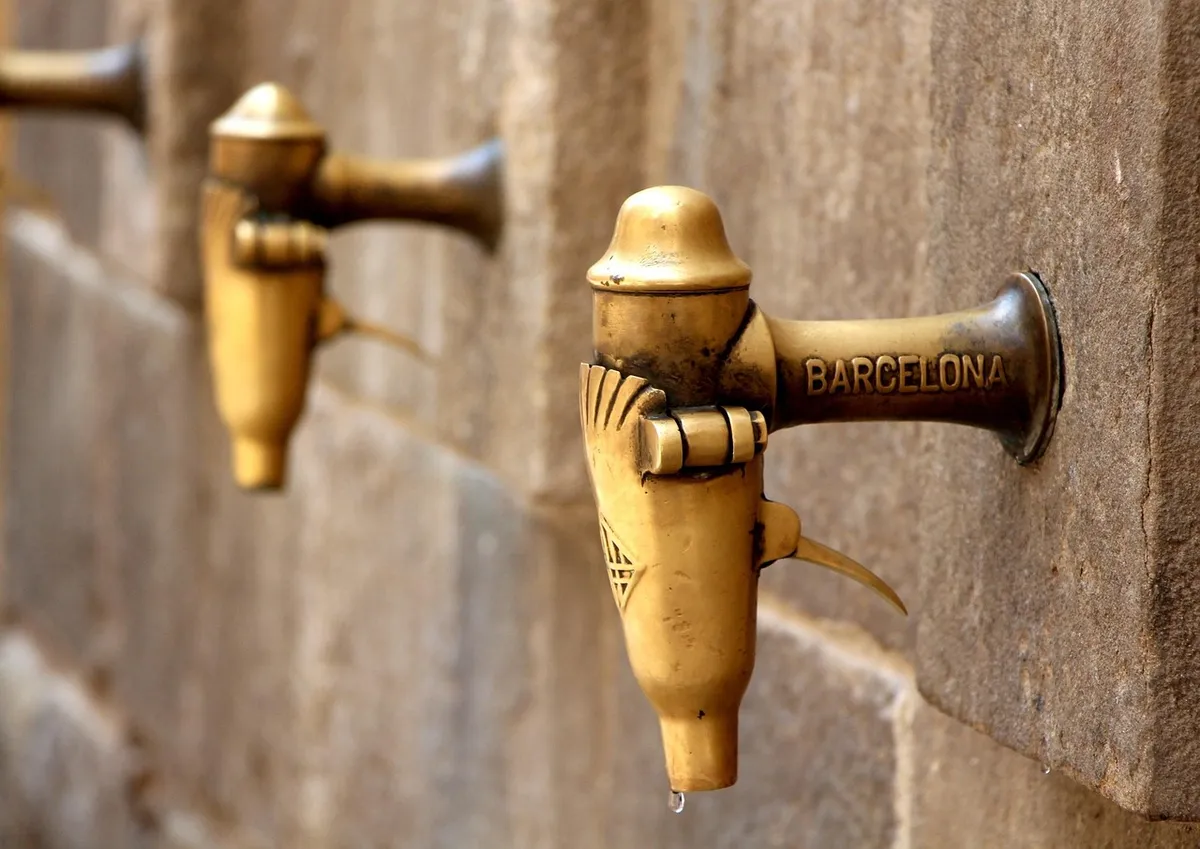
Walking through the bustling streets of the Gothic Quarter, one feels the weight of history in every stone. Selecting the right itinerary depends on whether you prioritize cultural museums or coastal views.
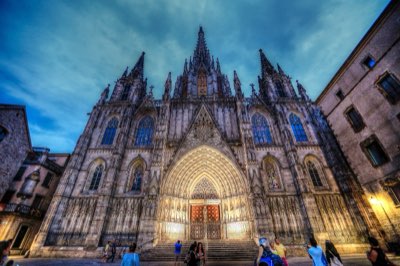
A successful Barcelona day trip guide focuses on the unique identity of the city as a global hub. In July 2023, Barcelona was announced as the UNESCO-UIA World Capital of Architecture for the 2024–2026 term.
This recognition makes the city an essential destination for those interested in structural design and urban planning.
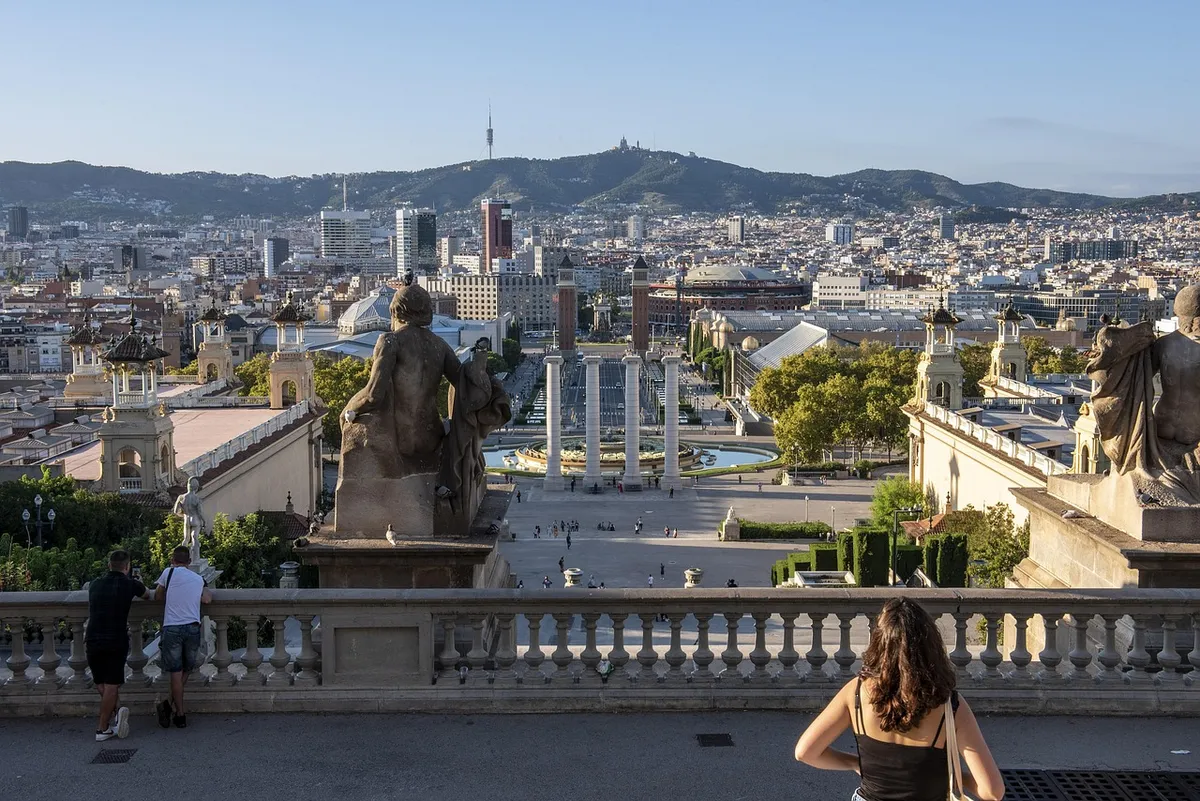
The city sits on a plain approximately 5 km (3 mi) wide, limited by the Collserola mountain range and two rivers. This geography dictates how travelers move between the urban center and the outskirts.
Navigating these spaces requires understanding the relationship between the built environment and the natural coastline.
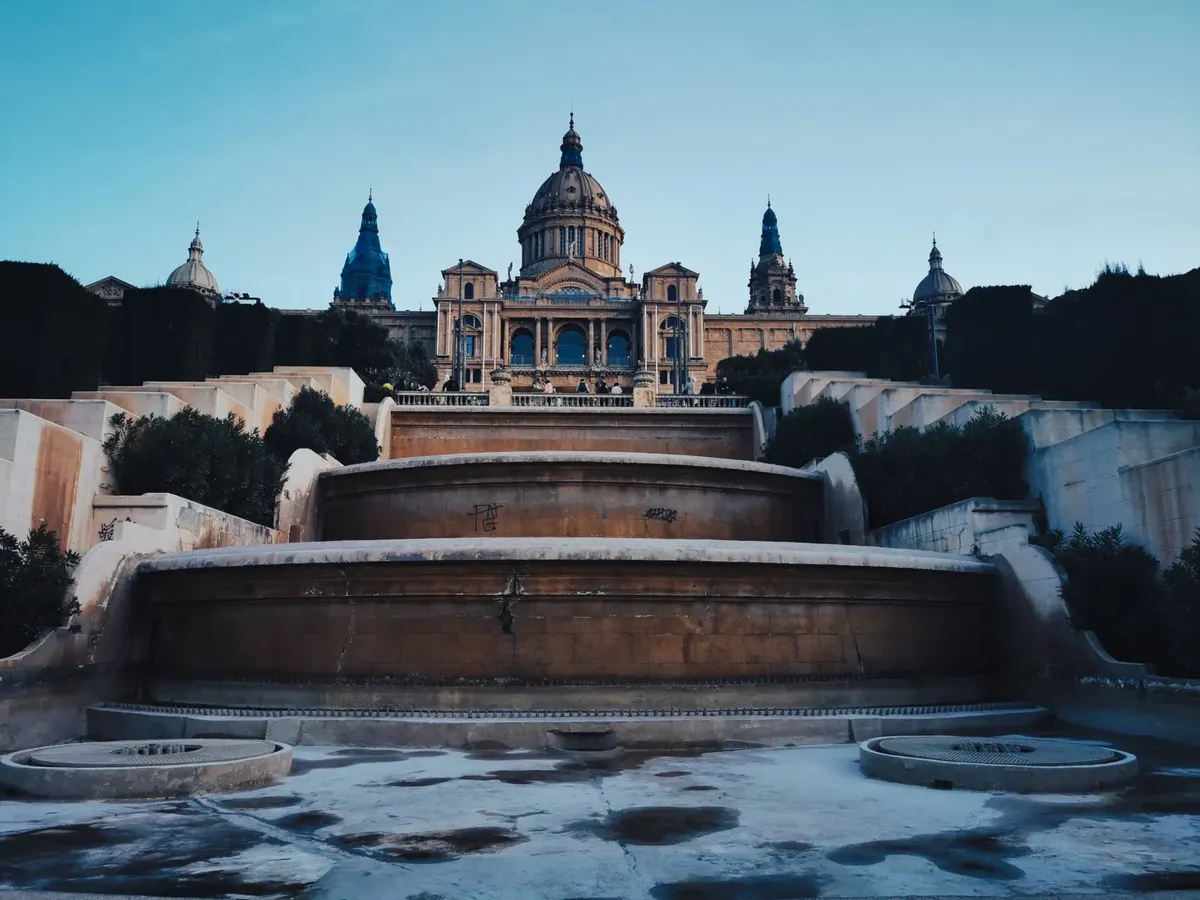
Why is a Magic fountain tour worth it? Standing before a splashing water feature, the sound of rushing water masks the noise of the surrounding city. A Magic fountain tour allows visitors to experience the intersection of engineering and art.
The city's expansion involved significant changes to the landscape. As part of the preparation for the games, industrial buildings along the sea-front were demolished and 3 km (2 mi) of beach were created.
This transformation provides a modern backdrop for water-based attractions and seaside strolls.
Such changes also influenced the city's infrastructure. New construction increased the road capacity of the city by 17%, the sewage handling capacity by 27% and the amount of new green areas and beaches by 78%.
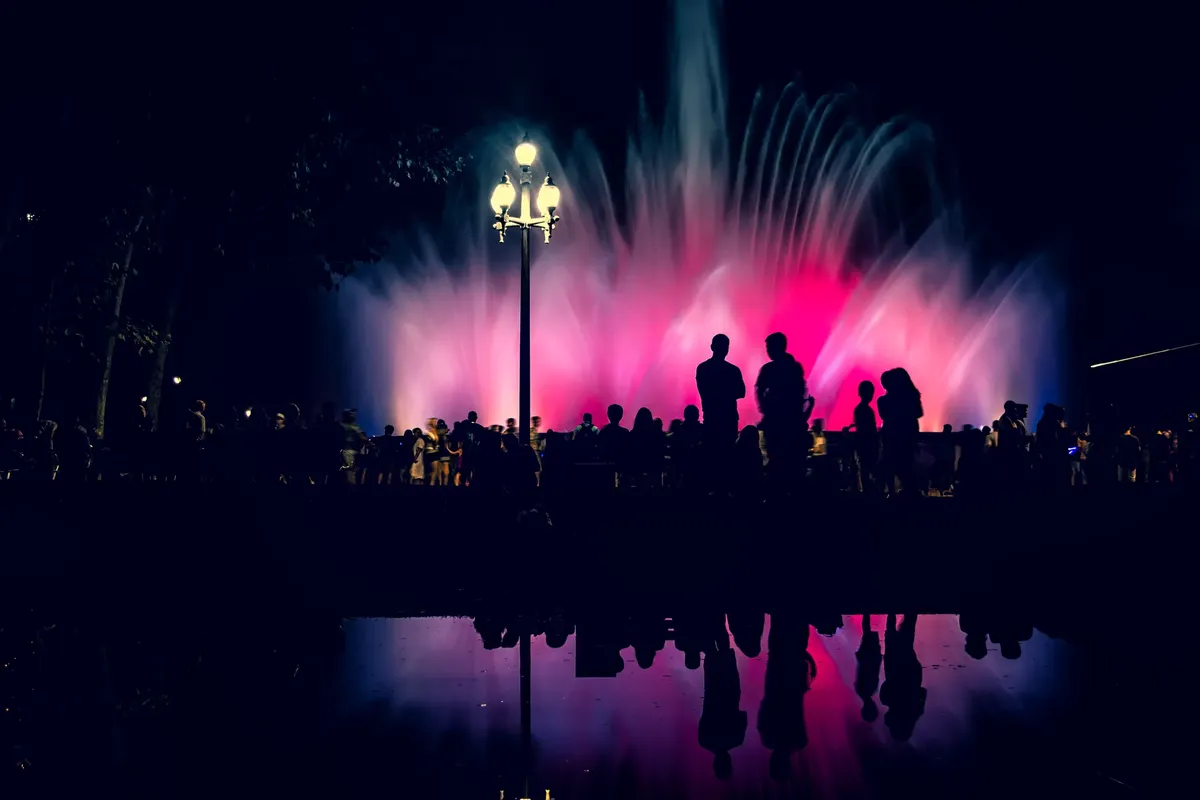
These improvements make traveling to coastal landmarks much more accessible for modern tourists.
According to World Bank, the 2024 record includes 95.8%.
Is a Ballena line trip right for me? Looking out toward the horizon where the blue sea meets the sky, travelers often wonder about the best way to see the coast. A Ballena line trip offers a different perspective compared to staying within the city limits.
The geographic layout of the region is quite specific. Barcelona is located on the northeast coast of the Iberian Peninsula, facing the Mediterranean Sea. The plain covers an area of 170 km2 (66 sq mi), of which 101 km2 (39.0 sq mi) are occupied by the city itself.
Because of this density, choosing between a Gaudí architecture tour and a coastal excursion is a common dilemma. Some travelers prefer the intensity of the urban core, while others seek the openness of the sea.
Deciding between these options depends on your interest in historical density versus natural expanse.
Can I find a local culture journey in the city?
Stepping into a museum, the quiet atmosphere provides a sharp contrast to the energetic streets outside. A local culture journey can be found in the diverse museums and historical sites throughout the city.
The city offers various specialized attractions for different interests. The Erotic museum of Barcelona is among the most peculiar ones, while CosmoCaixa is a science museum that received the European Museum of the Year Award in 2006.
These venues provide deep dives into specific human and scientific inquiries.
For those who prefer movement, the city has established transit systems. On 22 March 2007, Barcelona's City Council started the Bicing service, a bicycle service understood as a public transport. Using such services can help you navigate the city more efficiently during a short trip.
How do I plan the best travel itinerary?
Checking a map in a quiet cafe, the traveler traces lines between the mountains and the sea. Creating the best travel itinerary requires balancing time, distance, and personal interests. According to World Bank data, Spain recorded international tourist arrivals of 36,410,000 in 2020.
The distance to the northern border is a factor for those planning longer excursions. The city is 120 km (75 mi) south of the Pyrenees and the Catalan border with France. This distance makes it a perfect base for both local exploration and regional travel.
A well-rounded itinerary might include: 1. Selecting a primary theme, such as architecture or coastal scenery. 2. Checking the transit availability between the city center and the outskirts. 3. Verifying the seasonal weather to ensure comfort. 4. Final check of all travel documents and local maps.
I found that comparing the density of the city to the openness of the coast helped me decide my daily route.
What are the environmental factors to consider?
Feeling the shift in temperature as the sun sets, travelers must prepare for changing conditions. Environmental factors can significantly impact the comfort of an outdoor excursion.
As reported by the City Council, Barcelona's City Council started the Bicing service, a bicycle service understood as a public transport, on 22 March 2007.
Temperature variations are a real consideration when moving between different altitudes. Areas outside of the urbanized districts can have as much as 2 °C of difference in temperatures throughout the year. This can affect how you dress for a day at the beach versus a mountain walk.
The average annual temperature is 21.2 °C (70.2 °F) during the day and 15.1 °C (59.2 °F) at night. Keeping these figures in mind helps in planning activities that are most enjoyable during the warmer parts of the day.
- How to choose a Barcelona day trip guide?
- Why is a Magic fountain tour worth it?
- Is a Ballena line trip right for me?
Related
- Barcelona near trip guide: Explore Campodus local sights
- Gaudi route tower timing: Guide to best views
How does the geography affect the Planning of a trip?
The plain, which is approximately 5 km wide, is bordered by the Collserola mountain range and two rivers. This geographical constraint influences how one moves between the developed urban area and the surrounding areas.
The city's location on the northeast coast of the Iberian Peninsula facing the Mediterranean Sea is a key factor in any Planning of a trip.
The relationship between the constructed environment and the natural coastline must be understood when navigating these spaces. The city proper occupies 101 km2 of the total 170 km2 plain area.
This density influences the choice between focusing on the city's built environment or the natural expanse of the coast during the Planning of a trip.
What cautions apply to the environmental factors?
Temperature fluctuations between the urban center and the outskirts can reach a difference of 2 °C throughout the year. This variation is important when planning outdoor activities, as the experience differs between the beach and the mountain walk.
The average daily temperature during the day is 21.2 °C, while the nighttime average is 15.1 °C.
Considering these temperature swings helps travelers dress appropriately for the Planning of a trip. The decision to spend time in the city or by the coast hinges on whether the traveler values the architectural density or the natural openness. Both aspects are present in the region.




Comments 0