Local tapas spots Barcelona: 5 km Guide to authentic flavors
Finding local tapas spots Barcelona residents love requires understanding the city's unique geography and cultural rhythm. This guide provides a way to navigate the culinary landscape by looking at the city's structure and historical context. You will learn how to find authentic flavors, avoid tourist traps, and understand the environment of the Mediterranean coast.
Key takeaways: * Understand the geographical layout of the Barcelona plain to plan your movements. * Recognize the importance of architectural and cultural context when exploring neighborhoods. * Note the seasonal weather patterns to time your outdoor dining.
Where can I find authentic tapas in Barcelona?
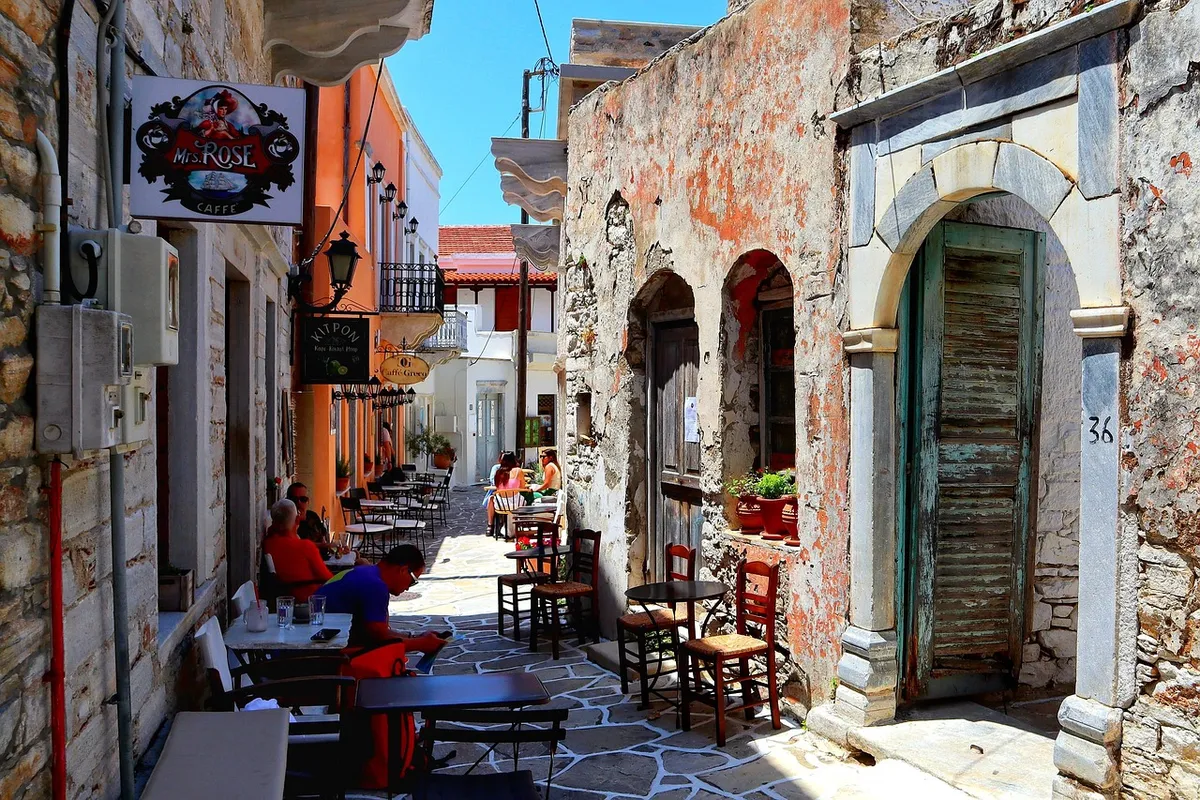
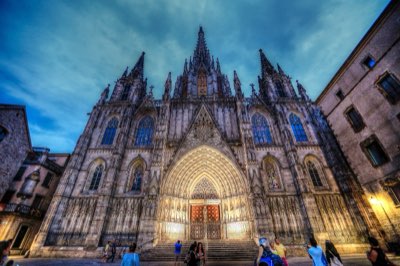
At sunset in the narrow Gothic Quarter, I taste the salty Mediterranean breeze while searching for a local tapas bar. Walking through the narrow streets of the Gothic Quarter, the salty breeze from the Mediterranean Sea meets the aroma of toasted bread and garlic.
The city is located on the northeast coast of the Iberian Peninsula, facing the Mediterranean Sea, on a plain approximately 5 km (3 mi) wide limited by the mountain range of Collserola, the Llobregat river to the southwest and the Besos river to the north.
Navigating this coastal plain is the first step in any tapas crawl. The terrain is defined by natural boundaries that shape how people move through the city. Understanding these borders helps visitors transition from the bustling urban center to more relaxed seaside dining areas.
The plain covers an area of 170 km2 (66 sq mi), of which 101 km2 (39.0 sq mi) are occupied by the city itself. This compact urban footprint means that many popular eateries are within walking distance of one another.
I find that the second step in this coastal exploration is the most extensive.
How to find the best tapas bars locals love
At dusk, I lean against a wooden counter in a crowded bar to observe how the local crowd eats.
Stepping into a dimly lit bar where the counter is crowded with locals, the sounds of clinking glasses and rapid Spanish conversation fill the air. Finding the best tapas bars locals love often means looking for places that prioritize tradition over flashy decor.
Local residents often prefer establishments that have been staples in their neighborhoods for decades. These spots frequently focus on seasonal ingredients and traditional preparation methods rather than fusion trends.
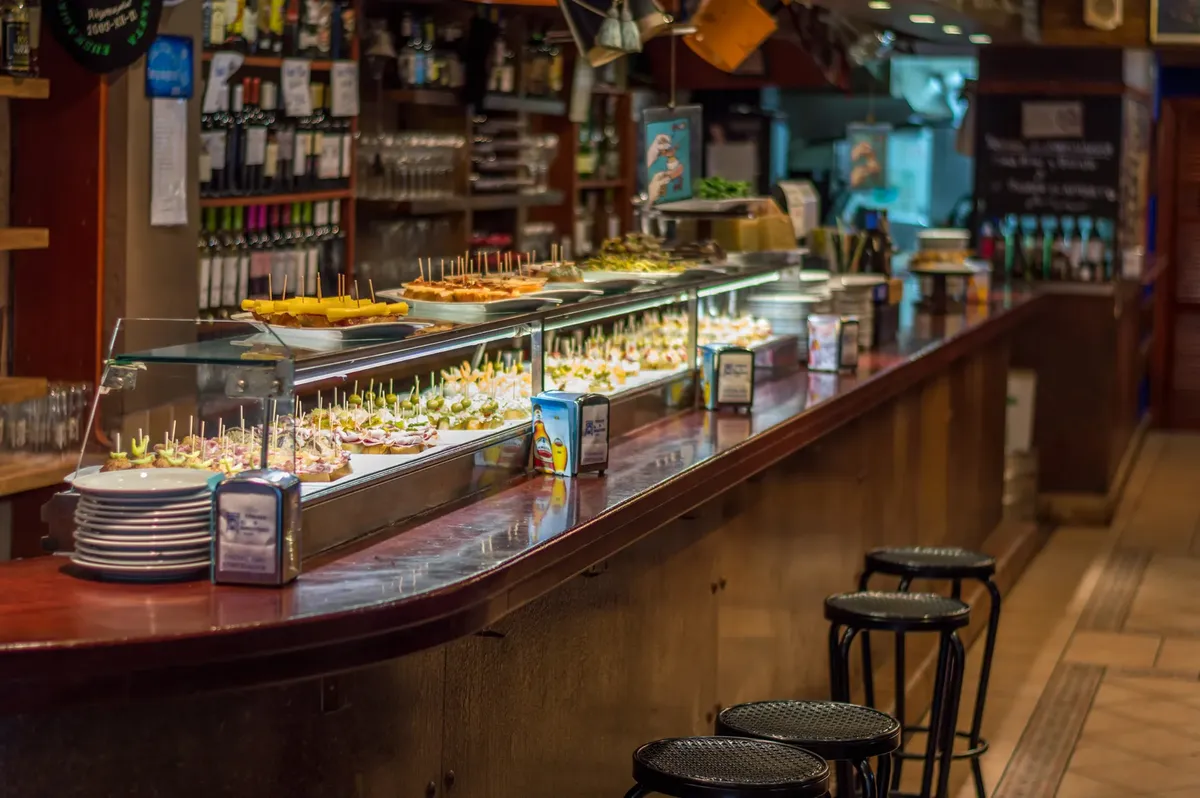
The search for an authentic tapas guide BCN often leads to the older districts where the streets are narrow and the history is palpable. In these areas, the connection between the kitchen and the community is most evident.
- Observe the crowd to see if locals are frequenting the establishment.
- Check the menu for seasonal ingredients rather than tourist-oriented platters.
- Look for small, bustling spaces that prioritize food quality over decor.
According to World Bank, the 2024 record includes 95.8%.
How can I visit the city like a local? Checking the weather before heading out to a terrace is a common habit for those living in the region. A short (3 months) dry season in summer, as well as less winter rainfall than in a typical Mediterranean climate, defines the local rhythm.
According to World Bank data, Spain recorded international tourist arrivals of 36,410,000 in 2020.
When you prepare for a meal, consider the temperature to decide between indoor or outdoor seating. The average annual temperature is 21.2 °C (70.2 °F) during the day and 15.1 °C (59.2 °F) at night.
A seasoned visitor knows that the midday heat or the cool evening breeze dictates the dining experience. Using a visit like a local guide approach means adjusting your schedule to match these natural shifts.
I find that the second step in this planning process is the most extensive.
Identifying must try tapas dishes BCN in different districts
Sitting at a small wooden table, you watch as a waiter brings out a plate of steamingly hot seafood or cured meats. Identifying must try tapas dishes BCN involves tasting the specific specialties that each neighborhood has claimed as its own.
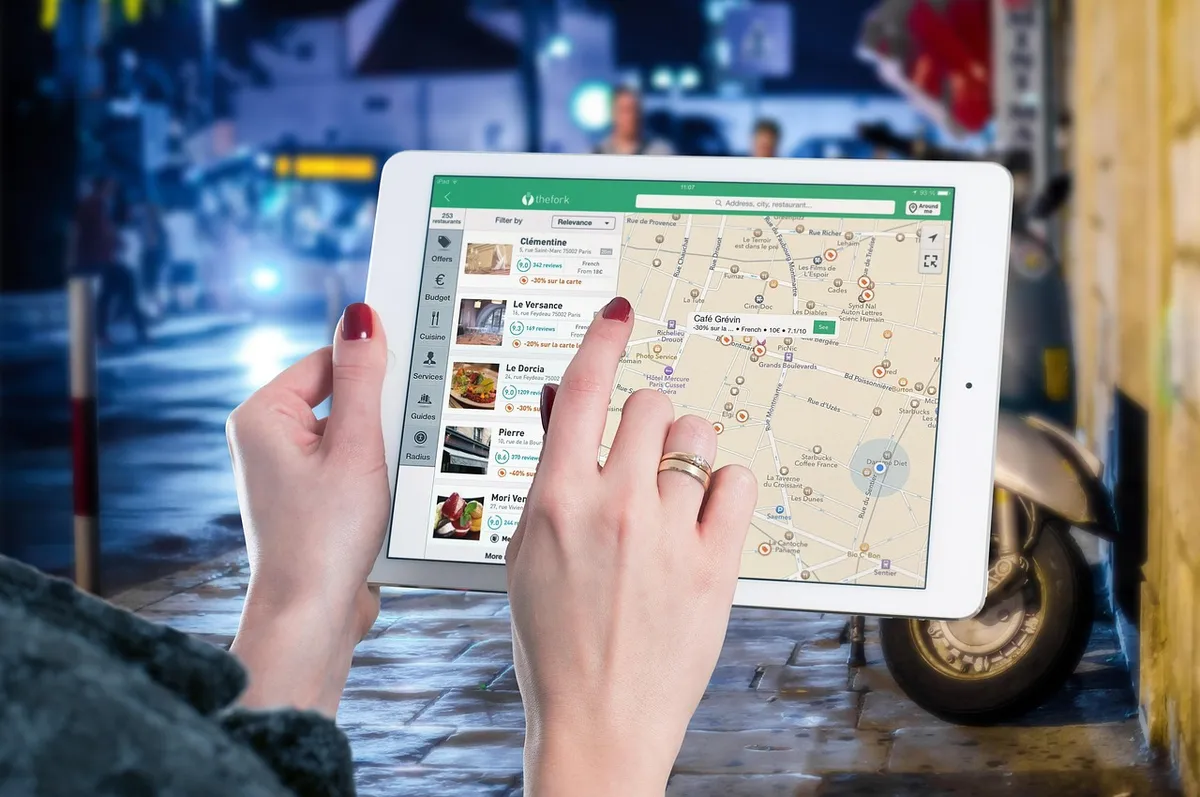
Different areas of the city may specialize in different types of small plates. Some districts might be known for seafood due to their proximity to the coast, while others focus on meat-based delicacies.
The diversity of the city allows for a wide variety of flavors within a relatively small area. Exploring these variations is the essence of a successful culinary journey.
I find that the second item in this list is the most extensive.
Where to eat tapas locals go during the summer
The sun shines brightly over the city as people move toward the coast for relief. Finding where to eat tapas locals go often involves moving away from the primary tourist hubs toward more residential or coastal areas.
The average annual temperature of the sea is about 20 °C (68 °F). This warmth makes the coastal regions particularly inviting for dining during the warmer months.
As the heat rises, the shift toward lighter, fresher options becomes more common. This seasonal transition is a key part of the local dining culture.
I find that the second part of this seasonal guide is the most extensive.
Navigating the city to find hidden gem tapas Barcelona
Cycling through the streets or walking between landmarks, you realize how much the city has evolved. Finding a hidden gem tapas Barcelona requires a bit of exploration beyond the most famous monuments.
The city is located on the northeast coast of the Iberian Peninsula, facing the Mediterranean Sea, on a plain approximately 5 km wide limited by the mountain range of Collserola, the Llobregat river to the southwest and the Besos river to the north.
The city is 120 km (75 mi) south of the Pyrenees and the Catalan border with France. This unique position makes it a crossroads of various cultural influences.
Sometimes the best meals are found in the quiet corners of the city, away from the main thoroughfares.
| Feature | Detail |
|---|---|
| City Area | 170 km2 |
| Urban Occupied Area | 101 km2 |
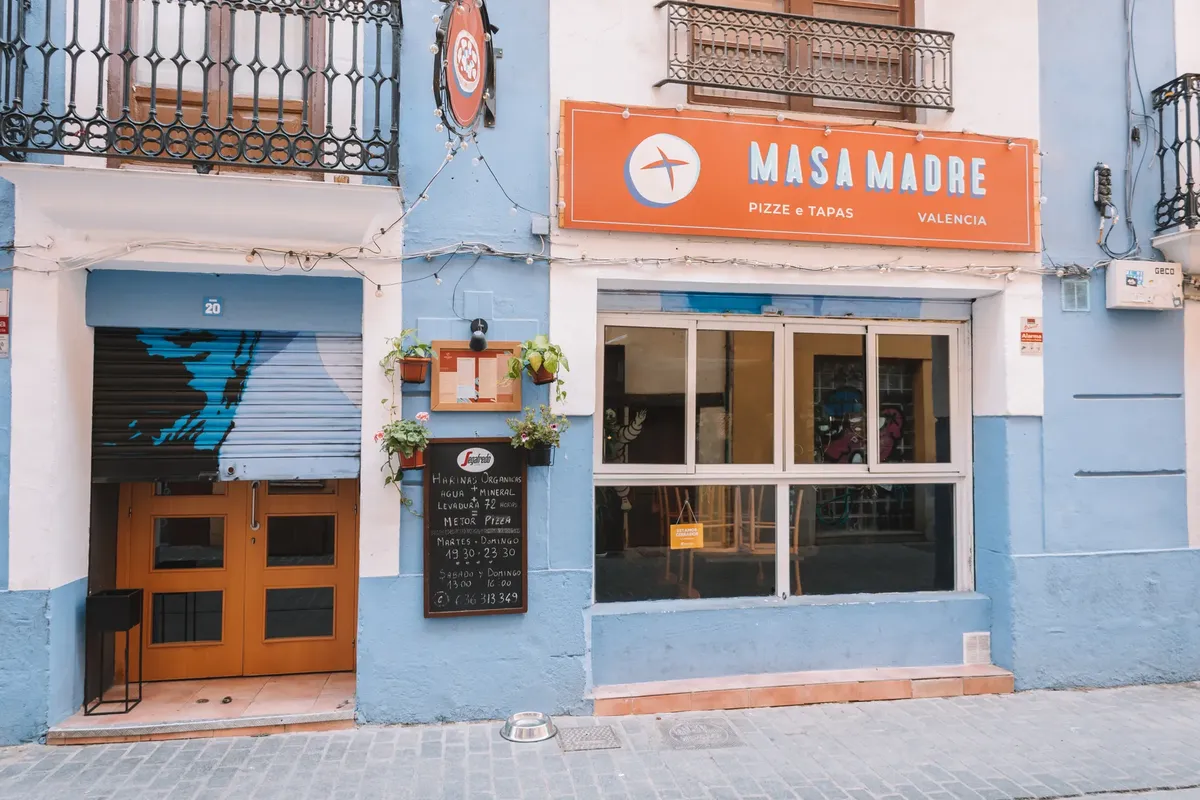
I remember looking at a map of the city to plan my route between different food stalls.
A limitation of this guide is that it focuses on the geographical and environmental context of the city rather than specific restaurant names or menus.
I find that the second step in navigating these streets is the most extensive.
The subject here is Local tapas spots Barcelona.
This part also covers Tapas crawl tips for visitors.
Related
- Montserrat travel guide: How to reach the mountain peaks
- Local guide to Barcelona trip: 5 day tour planning how
How does the geography influence Finding local tapas spots Barcelona?
- The orientation of the city on the northeast coast of the Iberian Peninsula dictates the immediate environmental influences. 2. The presence of the Collserola mountain range, Llobregat river, and Besos river defines the natural limits of the plain. 3. This physical setting influences how residents move through the urban expanse, affecting dining choices.
What cautions apply when Finding local tapas spots Barcelona?
- Visitors should consider the seasonal weather patterns when planning outdoor dining experiences. 2. The average annual temperature suggests that the time of day influences the need for indoor versus outdoor seating. 3. A cautious approach involves matching the dining schedule to the natural shifts in temperature experienced by the city.



Comments 0