Gothic Quarter stay guide: Roman grid influences your visit
"The typically Roman grid plan is still visible today in the layout of the historical centre, the Barri Gòtic."
Choosing the right Gothic area lodging tips requires understanding the unique layout of the old city and its historical density.
This guide helps travelers navigate the narrow streets of the Barri Gòtic to find the perfect base, covering architectural significance, historical layout, and local transit.
Key takeaways include understanding the Roman grid, managing the density of the historic center, and recognizing the area's architectural importance.
How does the Roman grid work in the Gothic Quarter? A traveler walks through a narrow, winding street where the stone walls seem to close in, revealing glimpses of ancient foundations. The historical center maintains a layout that reflects its origins.
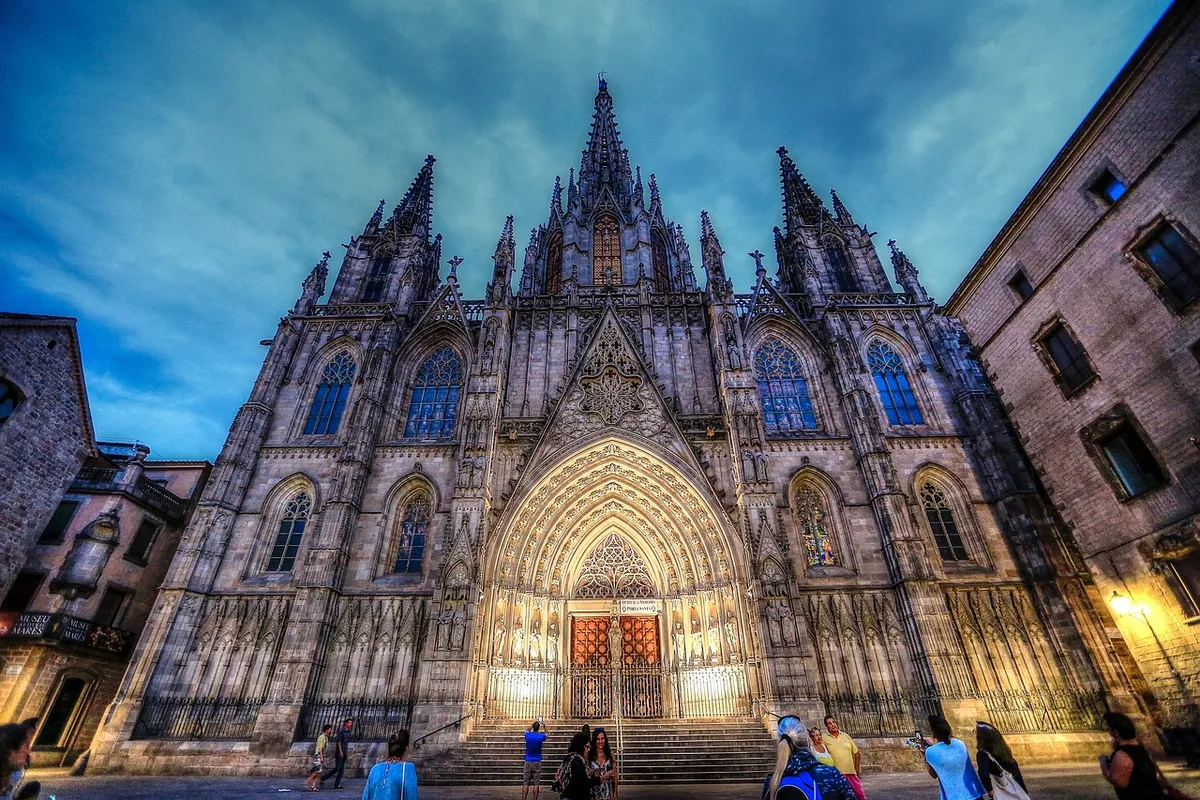
The Barri Gòtic retains a typically Roman grid plan that remains visible in the layout of the historical center today. This structure means streets can be tight and winding, which affects how you select lodging for Gothic stays.
Because the streets follow an ancient pattern, finding a central location often means navigating much smaller spaces than in newer districts.
Understanding this layout helps you anticipate the walking distances and the unique atmosphere of the neighborhood. Selecting a spot near major landmarks can provide easy access to the history embedded in the pavement.
Observe how the straight lines of the ancient street layout contrast with the winding medieval alleys to see how the city evolved over centuries.
How to select lodging for Gothic stays based on architecture?
At dawn, I lean against a cold stone balcony to inspect the ornate carvings of my lodging, searching for a truly gothic facade.
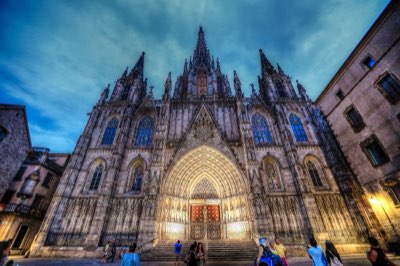
A visitor stands before a grand facade, admiring the intricate stonework and the way light hits the historic masonry. The architectural heritage of the city influences every corner of the district.
The area is deeply connected to the city's identity, especially since Barcelona was announced as the UNESCO-UIA World Capital of Architecture for the 2024–2026 term in July 2023.
This recognition highlights the importance of the built environment, making a Gothic visit accommodation choice feel like a step into a living museum. You might find that many buildings in the district feature historical elements that are central to the city's character.
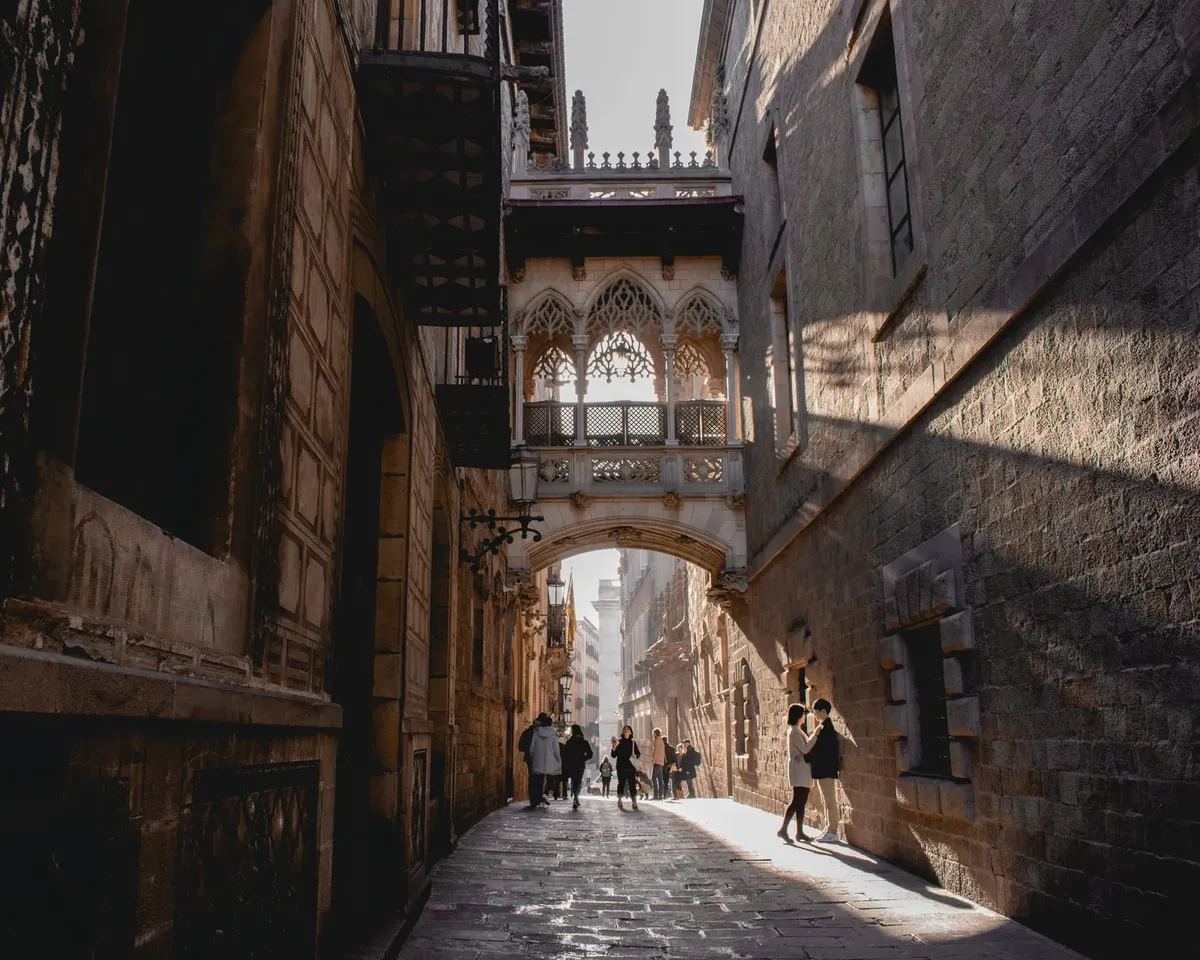
When looking for a place to stay, consider how the building's style matches your interests. Some travelers prefer modern amenities tucked inside historic shells, while others want a pure connection to the past.
- Look for buildings with original stone facades and high ceilings to experience authentic period details.
- Check for modern amenities integrated into historic structures to ensure comfort.
- Verify window placements to ensure natural light reaches the interior of older layouts.
According to World Bank, the 2024 record includes 95.8%.
How can I use public transport in the historical center? A cyclist pedals through a paved lane, moving efficiently between the various historical sites and modern hubs. Public transit options make exploring the dense streets much simpler.
The city has long integrated transit into its daily life, such as the Bicing service, which was started by Barcelona's City Council on 22 March 2007, as a bicycle service understood as public transport. Using such services can be a great way to move between the Gothic Quarter and other districts.
This mobility is essential when you want to explore beyond the immediate vicinity of your accommodation.
Using local transport allows for easier movement if your lodging is located in a denser part of the old town. It also provides a way to reach museums or coastal areas quickly.
Use the metro to reach the perimeter of the old town and walk the remaining distance to avoid narrow streets that are inaccessible to large vehicles.
Dealing with the density of the old town?
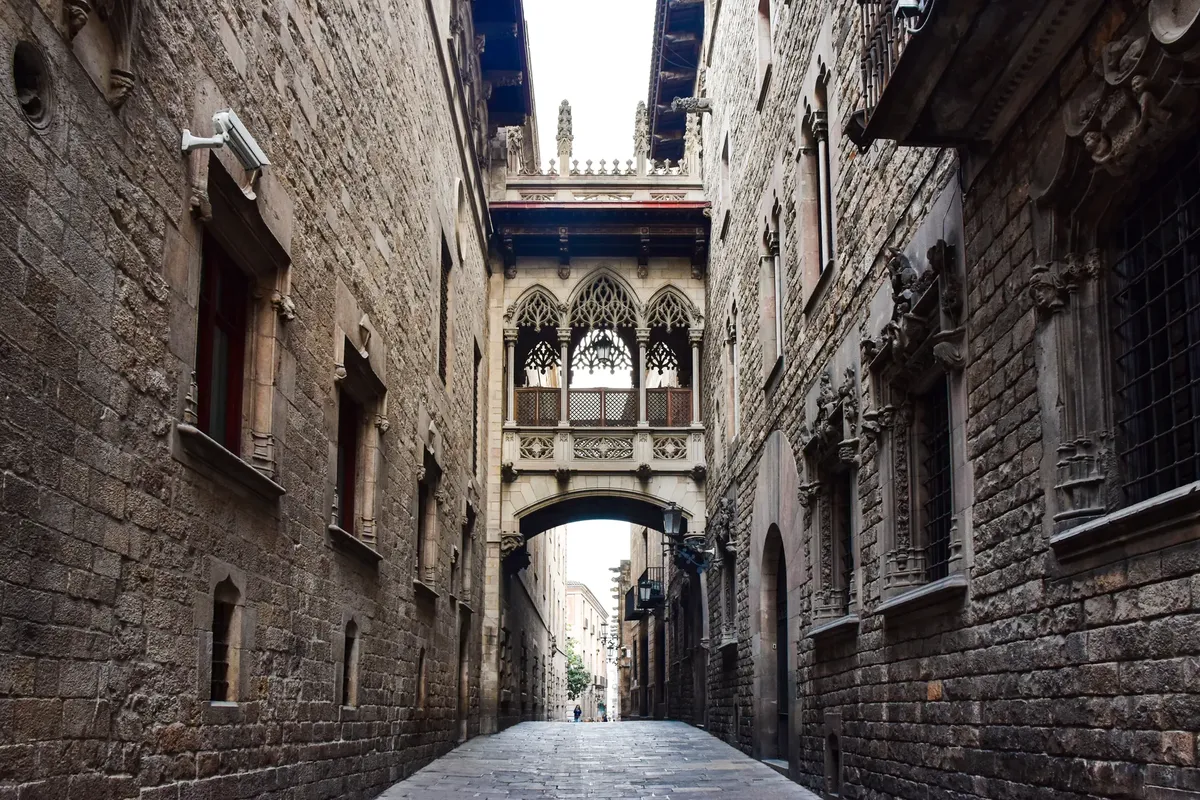
A person searches for an entrance among a cluster of closely packed buildings, feeling the pulse of the city around them. The density of the district presents unique challenges and charms.
The historical center's density is a result of its long history, including the presence of important Roman vestiges displayed in Plaça del Rei underground as part of the Barcelona City History Museum (MUHBA).
This density means that while you are in the heart of the action, you must account for noise and limited space. Gothic area safety check routines often involve understanding these labyrinthine streets to ensure easy navigation.
Finding a quiet retreat in such a bustling area requires careful planning. Some travelers prefer higher-floor rooms to escape the street-level activity.
Plan to walk during off-peak hours to enjoy the narrow passages without the heavy crowds.
Planning your stay for historical exploration?
A traveler consults a map, tracing lines between ancient ruins and modern landmarks. Planning a trip around the historical significance of the area can enhance the experience.
According to World Bank data, Spain recorded international tourist arrivals of 36,410,000 in 2020.
The historical depth of the area is significant, with sites like the underground Roman vestiges providing a direct link to the past. You can also visit unique sites like the Erotic museum of Barcelona or the award-winning CosmoCaixa science museum.
Having a central base in the Gothic Quarter allows you to reach these diverse locations with ease.
Consider your interests when deciding on a specific street or plaza. Proximity to historical sites can make your exploration much more seamless.
Allocate extra time for walking between sites, as the labyrinthine streets often make distances longer than they appear on a map.
Comparing historical vs. modern stays?
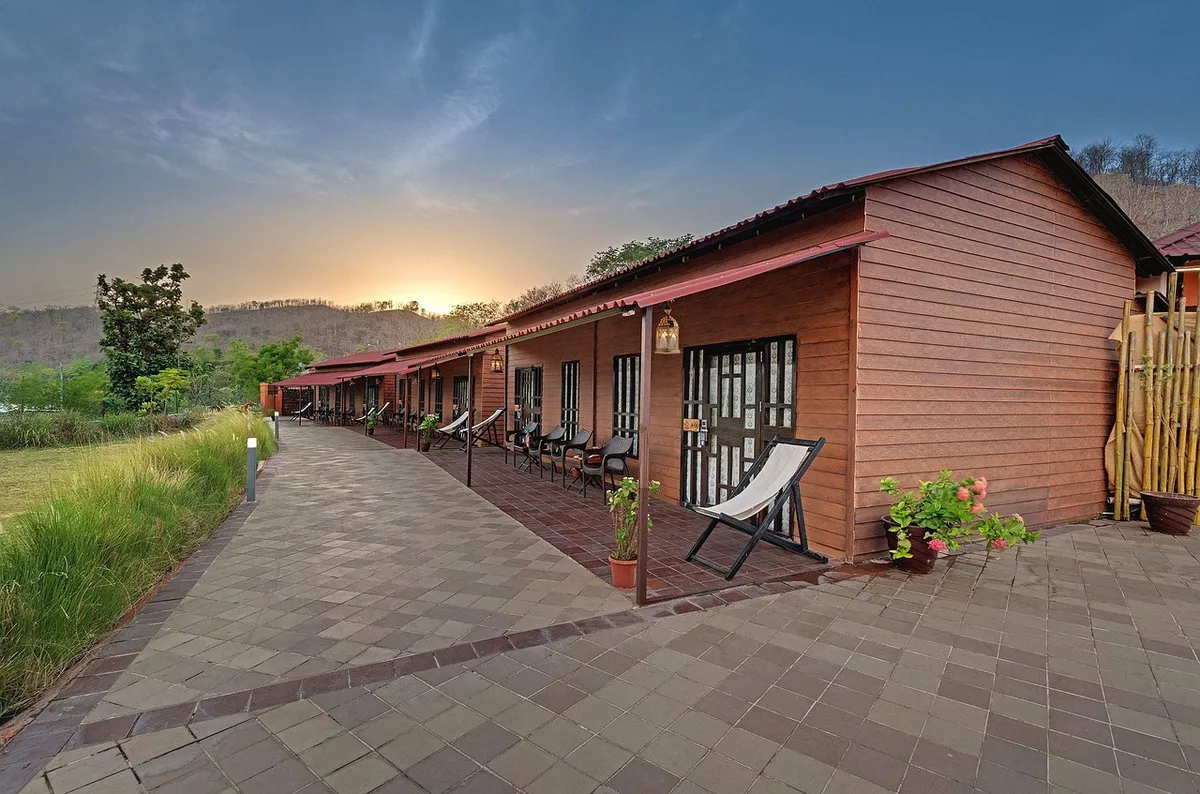
A traveler compares a sleek, modern hotel room with a traditional, character-filled apartment. The choice between old and new defines the type of trip you will have.
| Feature | Historical Gothic Stay | Modern Urban Stay |
|---|---|---|
| Layout | Roman grid and narrow streets | Open and spacious designs |
| Atmosphere | Deeply historic and dense | Contemporary and streamlined |
I found that choosing a room in a historic building requires checking for modern comforts like soundproofing.
A limitation of staying in the historic center is the potential for limited space due to the historical density and the original building structures.
Choose between the unique character of restored heritage buildings and the convenience of contemporary hotels located just outside the historic walls.
Related
- Gaudí's Criteria: Why His Buildings Are More Than Just Art
- Gaudí Masterpieces: 28 Details to Unlock His Genius
How does the Roman grid influence modern navigation?
The typically Roman grid plan dictates the flow through the narrow streets of the Barri Gòtic. This ancient pattern means that movement through the center requires adaptation to the original, tight constraints of the city's founding.
Navigating this structure is key to experiencing the neighborhood as it has existed for centuries.
This persistence of the typically Roman grid influences how visitors experience the scale of the area. While the original builders accounted for their needs, modern visitors must contend with the resulting pathways.
The winding nature of the streets, a direct consequence of the original planning, adds to the unique character of the Gothic Quarter.
What cautions apply when staying in the dense historical center?
Staying in the historical center requires acknowledging the limitations imposed by the original construction. The density, a feature of the typically Roman layout, means that modern comforts must be sought alongside historical immersion.
Soundproofing, for instance, becomes a necessary check when booking accommodation.
The deep connection to the past, evidenced by the underground Roman vestiges, contributes to the overall density. This concentration of history, while magnificent, means that noise levels from the vibrant life of the old town are often present.
Careful planning helps mitigate the challenges presented by this historical compression.



Comments 0