Sagrada Família: A Pilgrimage in Stone of Gaudí's Vision
"Architecture is the crystallization of a people's soul and their struggle to define themselves."
To understand why the curves of a stone wall in Barcelona feel so alive, you have to look past the tourist crowds and see the political and spiritual upheaval of the late 19th century. Gaudí didn't just build houses; he built a visual language for a nation reclaiming its identity.
Key Takeaways * Gaudí’s style was the architectural heartbeat of the *Renaixença*, the Catalan cultural rebirth. * His work represents a perfect tension between radical structural innovation and deep religious devotion.
* Understanding the historical context transforms these buildings from mere landmarks into living political and spiritual statements.
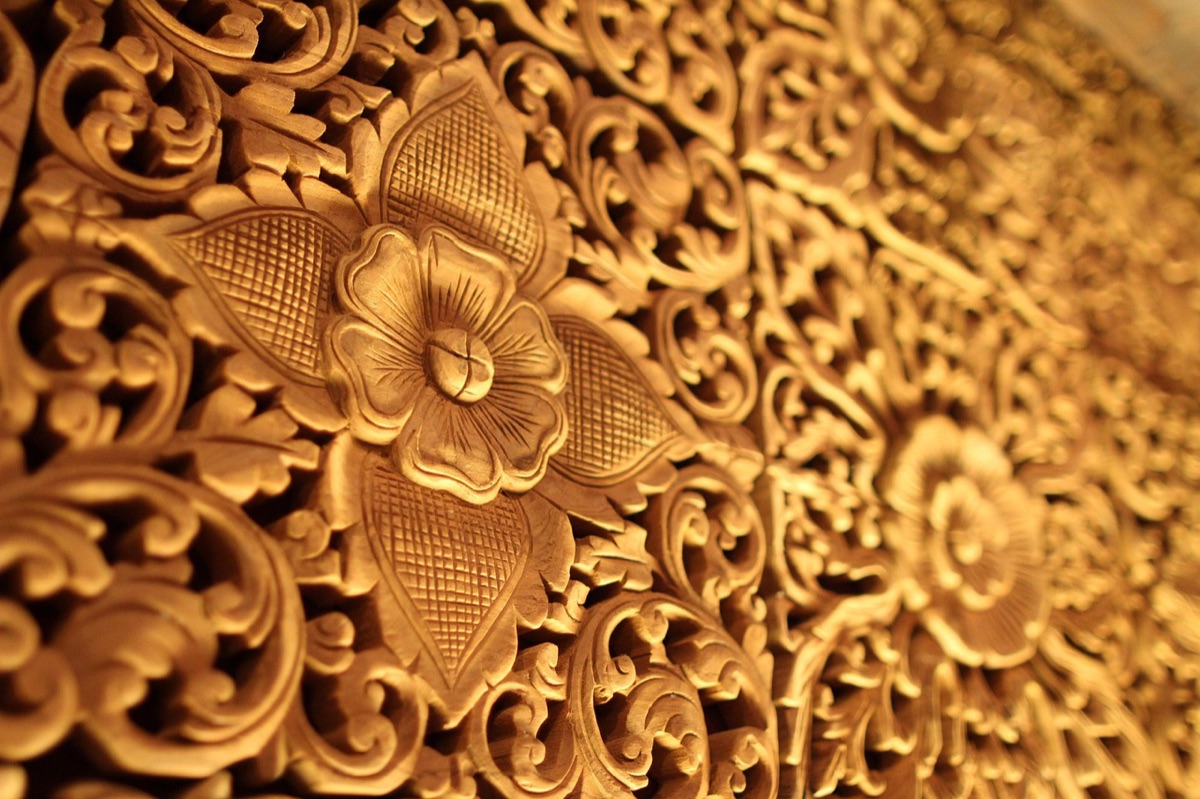
The Crucible of Catalan Identity: Why did he reject straight lines?
The sun hits the terracotta tiles of the Eixample district at 10:00 AM, casting long shadows over streets that feel like they were designed by a living organism rather than a civil engineer.
Walking through these blocks, you realize the straight lines of the grid are constantly being challenged by the organic curves of the buildings.
At the turn of the 20th century, Barcelona was a city in the throes of a massive identity shift. The *Renaixença*—a movement to revive Catalan language and culture—was at its peak.
This wasn't just about poetry and songs; it was about asserting a unique identity distinct from the central government in Madrid. Gaudí became the visual architect of this movement.
He rejected the rigid, academic styles of the past to create something that felt uniquely Catalan: a blend of local craftsmanship and revolutionary form. This era was marked by a tension between industrial progress and a longing for organic roots.
While the industrial revolution brought wealth to the Catalan bourgeoisie, it also brought a sense of alienation.
Gaudí addressed this by moving away from the "box" and toward the "branch." He looked at the way a tree supports its weight and translated that into stone.
His work was a way to marry the technological advancements of the industrial age with the timelessness of nature and the deep-seated traditions of his people.
The wealth generated during this period allowed for massive private commissions, but the soul of the work remained tied to a specific cultural mission. He wasn't just building for the rich; he was building a legacy for a culture that was fighting to be seen on the world stage.
But his most ambitious project was only just beginning.
Sagrada Família: How can stone feel like it is breathing?
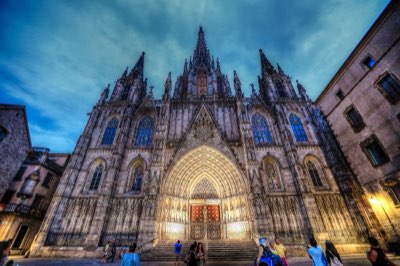
Standing beneath the towering spires at dusk, the cool breeze carries the scent of old stone as the massive cathedral seems to inhale around him.
The sheer scale of the Sagrada Família can make you feel small, but it is the complexity of the geometry that should make you feel breathless. Standing at the base of the Nativity Facade at 2:00 PM on a Tuesday, the stone seems to sprout from the ground like calcified coral.
The Sagrada Família is the culmination of Gaudí's life work and his most profound attempt to bridge the gap between the earthly and the divine. It is not a traditional cathedral; it is a structural masterpiece that uses geometry to solve the age-old problem of weight and light.
He utilized hyperbolic paraboloids and ruled surfaces—complex shapes that look futuristic but are actually derived from the efficient shapes found in nature.
The building is a narrative in stone. The Nativity Facade, which he oversaw personally, celebrates life and the birth of Christ through exuberant, organic detail. In contrast, the Passion Facade is stark and skeletal, reflecting the suffering and death of Jesus.
This duality shows that his architecture was never just about beauty; it was about the full spectrum of human and spiritual experience.
When you visit, the decision to climb the towers is more than just a tourist choice. It is an ascent through his structural logic.
From the top, you see how the towers act as giant antennas to the heavens, while the interior columns branch out like a forest canopy to support the massive weight of the vaults. This "forest" design was his way of creating a sacred space that felt as natural and inevitable as a grove of trees.
However, his vision extended far beyond the church walls and into the very streets where people lived and worked.
Beyond the Basilica: What is the difference between sacred and domestic?
Stepping off the busy Passeig de Gràcia and into the courtyard of a residential building, the atmosphere shifts from the grand scale of the church to the intimate scale of human living. The transition from the sacred to the domestic is where Gaudí’s versatility shines.
Casa Milà, known locally as *La Pedrera* (The Quarry), serves as a perfect example of his residential genius. Built for the rising middle class, its undulating stone facade was revolutionary. It rejected the idea that a building must be a static block.
Instead, the stone seems to flow like water, reflecting the dynamic energy of a modernizing Barcelona. The rooftop, with its surreal chimney sculptures, shows his ability to turn functional industrial elements into whimsical art.
In contrast, Park Güell offers a different kind of integration. Originally intended as a luxury residential estate, it became a sprawling playground of color and form. Here, Gaudí experimented with *trencadís*—the technique of using broken ceramic shards to cover curved surfaces.
This allowed him to wrap architecture around the natural topography of the hill without destroying the landscape.
While the Sagrada Família was a vertical climb toward God, these residential and public works were horizontal explorations of how humans interact with their environment.
He used industrial materials like iron and reinforced concrete, but he always softened them with natural motifs and handcrafted ceramics. This balance ensured that even his most modern buildings felt grounded in the earth. But how did this influence the city we see today?
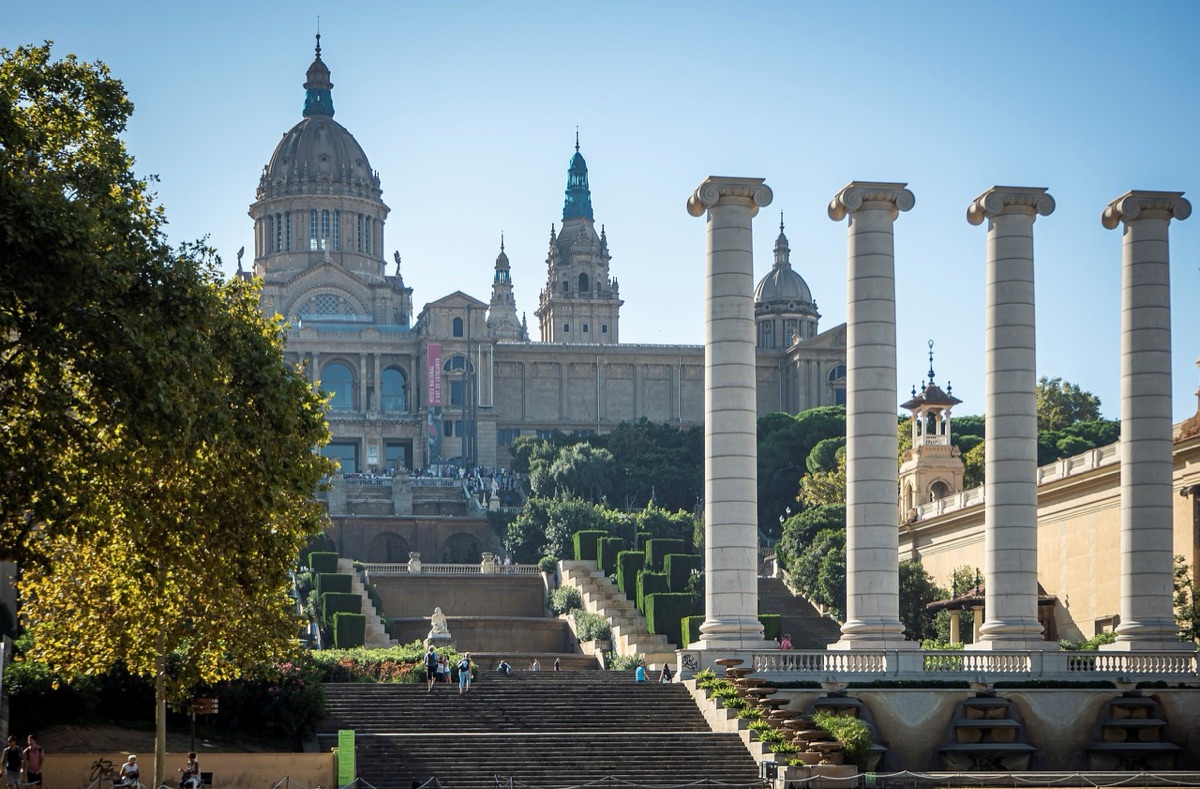
Gaudí’s Influence on Modern Barcelona: How did one man shape a metropolis?
The shadows of the Gothic Quarter and the bright lights of the Eixample tell a story of a city that was shaped by a single man's vision. You can see his influence in the way the city breathes, moving between the old and the new.
According to World Bank data, Spain recorded share of internet users of 95.8% in 2024.
Gaudí’s legacy is the very DNA of Barcelona. He helped define the "look" of the city, turning it into a global destination and a symbol of Catalan pride. His work didn't just influence architects; it influenced the urban fabric itself.
The way the city expanded and how neighborhoods were developed was often a response to the creative energy he unleashed.
Today, his influence is a constant dialogue with contemporary architecture. Modern architects still study his structural solutions—how he used gravity and geometry to create organic forms—as a way to push the boundaries of what is possible.
He proved that a building could be both a functional machine and a work of art.
The cultural ripple effect of his work ensured that Barcelona would never be seen as just another Mediterranean port. It became a living museum, a place where the history of a people and the innovation of an era are etched into every corner.
| Feature | Sagrada Família | Casa Milà / Park Güell |
|---|---|---|
| Primary Purpose | Spiritual / Religious | Residential / Public |
| ly Key Theme | Divine Geometry | Organic Urbanism |
| Atmosphere | Awe and Transcendence | Vitality and Movement |
| Structural Focus | Verticality and Light | Fluidity and Landscape |
How to experience his work: A step-by-step guide
When I first walked through the Eixample district, I felt overwhelmed by the sheer density of the architecture. To make the most of a visit to Barcelona, follow this logical progression to avoid burnout and truly absorb the scale of his work.
- Start with the Spiritual: Dedicate your first morning to the Sagrada Família. Aim to arrive at 9:00 AM to catch the light hitting the stained glass. This establishes the emotional and structural foundation of his work.
- Move to the Residential: In the afternoon, walk toward the Passeig de Gràcia to visit Casa Milà. Seeing the residential scale helps you understand how his "organic" style translated to daily life.
- Escape to the Park: Take a taxi or the metro to Park Güell in the late afternoon. The transition from the dense urban center to the hillside park provides a perfect conclusion to the day.
- Reflect and Review: End your day at a local cafe in the Gràcia neighborhood. Use this time to compare the massive scale of the church with the playful, colorful mosaics of the park.
Note on limitations: This itinerary requires significant walking and can be physically demanding. If you have mobility issues, prioritize the Eixample district and the Sagradia Família, as the hills of Park Güell can be difficult to navigate.
Frequently Asked Questions
Is it worth visiting the towers at Sagrada Família? Yes, but the experience differs depending on the tower. The Nativity tower offers views of the intricate facade and the sea, while the Passion tower provides a more stark, modern perspective.
Check your ticket type to ensure you are booking the correct tower.
How do I avoid the crowds when seeing his works? The best time to visit is early in the morning or late in the afternoon. For Park Güell, booking an early morning slot allows you to see the gardens before the heat and the largest crowds arrive.
Can I see all of Gaudí's work in one day? It is impossible to see everything deeply in one day. A realistic plan is to dedicate one full day to the Sagrada Família and the surrounding area, and another day to the Eixample district and Park Güell.
What should I know about the "broken tile" style? The *trencadís* technique is a hallmark of his work. It was a way to use recycled materials to create beautiful, colorful mosaics on irregular surfaces. It is a perfect example of his ability to find beauty in the discarded.
Is the architecture easy to understand for non-experts? Absolutely. While the geometry is complex, the themes of nature and emotion are universal.
You don't need an architecture degree to feel the impact of his work; you just need to look at the shapes and imagine the natural world they represent.
Understanding the history and the "why" behind these buildings changes the way you walk through Barcelona. You stop seeing just beautiful walls and start seeing the heartbeat of a culture.




Comments 0