Tracing Identity: 19th & 20th Century Art in Barcelona
"Art is not just what you see on a wall; it is the heartbeat of the city you walk through."
Barcelona is a sprawling, sun-drenched metropolis where the architecture of Antoni Gaudí often steals the spotlight, yet the soul of the city is found within the quiet halls of its museums.
To truly understand the Catalan spirit, one must look past the stone and mortar and into the canvases that captured a nation's identity.
Key Takeaways * Barcelona serves as a cultural crossroads where Catalan modernism and Mediterranean history converge in world-class museums. * The artistic dialogue between masters like Picasso and Miró provides the necessary context to appreciate the city's unique visual language.
* Integrating museum visits with architectural tours creates a complete understanding of the region's evolution and identity.
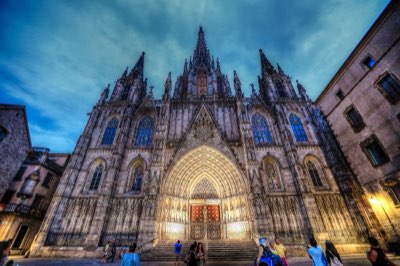
What lies beneath the structure? The sun hits the cobblestones of the Gothic Quarter at 10:00 AM, casting long shadows against centuries-old walls. A traveler stands at a crossroads, caught between the desire to see the towering spires of the Sagrada Família and the pull of the quiet, curated galleries nearby.
According to World Bank data, Spain recorded international tourist arrivals of 36,410,000 in 2020.
While the massive scale of Gaudí’s work leaves visitors breathless, the museums provide the intellectual and emotional foundation for why the city looks and feels the way it does. The architecture is the body, but the art is the history and the psyche of the people who built it.
Understanding the movements of the 19th and 20th centuries allows you to see the curves of a building not just as a design choice, but as a political and cultural statement.
To wander through Barcelona without stepping into a museum is to read a book and only look at the illustrations. The museums allow you to trace the lineage of the Mediterranean spirit, from ancient Romanesque roots to the radical shifts of the avant-garde.
How did Picasso's style change over time? The air inside the El Born district is thick with the scent of roasted coffee and old stone. Walking through the narrow streets, you find the Museu Picasso, housed in five adjoining medieval palaces that feel as much like a piece of art as the paintings they hold.
This museum is not a retrospective of a finished genius, but a journey through the formative years of Pablo Picasso. It focuses on his early life and the periods when he was absorbing the visual language of Barcelona and his native Malaga.
The collection highlights his transition from classical styles to the revolutionary techniques that would change the world.
Visitors should look for the way his early works reflect the light and shadows of his youth. The museum is particularly effective at showing the "why" behind his later abstract shifts.
By seeing the foundational sketches and the influence of local Catalan styles, the complexity of his later masterpieces becomes much clearer.
Pro Tip for the Picasso Museum: To avoid the heavy crowds and truly absorb the evolution of his style, aim for a mid-week morning visit. Focus on the rooms dedicated to his formative years to see the direct connection between his early subjects and his eventual departure from realism.
MNAC: A Journey Through Catalan Roots
The climb up Montjuïc hill is steep, and the wind carries the salt of the Mediterranean Sea. At the summit, the Museu Nacional d'Art de Catalunya (MNAC) stands as a monumental guardian over the city, its grand halls housing the history of a people.
The MNAC is the definitive repository of Catalan artistic identity. Unlike museums that focus on a single artist, the MNAC tells the story of a region. Its collection spans from Romanesque and Gothic periods to the height of Catalan Modernism.
The crown jewel is the Romanesque mural collection, where ancient religious paintings were salvaged and preserved, offering a hauntingly beautiful glimpse into the medieval soul of the territory.
Navigating the museum requires a strategy. If you are interested in the origins of the culture, spend your time in the Romanesque and Gothic wings. If you want to see the bridge between tradition and the modern world, head toward the Catalan art and Modernism sections.
The contrast between the heavy, spiritual weight of the medieval art and the vibrant, experimental works of the later centuries is staggering.

Joan Miró and the Avant-Garde Spirit
A single splash of primary red on a white canvas can make a visitor stop in their tracks. The shapes are playful yet profound, and the colors seem to vibrate with an energy that feels almost alive.
Joan Miró represents the playful, surrealist, and deeply intuitive side of the Catalan spirit. His work often breaks away from the structural rigidity found in other movements, opting instead for a language of symbols, lines, and cosmic connections.
His connection to the land and the Mediterranean is palpable in his use of color and organic forms.
When viewing Miró, do not look for a literal subject. Instead, look for the emotional resonance and the "automatism"—the idea of letting the subconscious guide the hand. His work is a conversation between the rational and the dream world.
It serves as a perfect counterpoint to the structured beauty of the city's architecture, reminding us that art can be both a structure and a flight of fancy.
Pairing Art with the City: Beyond the Walls
The transition from the museum to the street can feel jarring if you do not see the connection. Walking from the quiet halls of a gallery into the bustling energy of the Eixample district, the shift in atmosphere is immediate and intense.
The art of Barcelona is a reflection of its DNA. The industrial shifts and the Mediterranean influence are visible in both the paintings and the urban layout.
The Gothic Quarter represents the historical weight and the dense, labyrinthine past, while the Eixample represents the outward-looking, modern, and organized expansion of the 19th century.
To make the most of your trip, weave your museum visits into a cohesive itinerary. A day spent exploring the history of the Gothic Quarter should naturally lead to the Picasso Museum. A day focused on the grandeur of the hills and the history of the nation should center on the MNAC.
This creates a narrative arc to your travels, where the art and the streets tell the same story.
Visitor’s Decision Guide: Which Museum Suits Your Visit?
Choosing between museums can be overwhelming when you have limited time. The right choice depends on whether you want a deep dive into a single genius or a broad overview of a culture.
| Museum | Primary Focus | Ideal Duration | Best For |
|---|---|---|---|
| Picasso Museum | Early life and evolution of Picasso | 2–3 Hours | Fans of modern masters and formative art |
| MNAC | Catalan history and Romanesque art | 3–5 Hours | History buffs and lovers of medieval art |
| Miró Foundation | Surrealism and Avant-Garde | 2 Hours | Lovers of abstract and symbolic art |
| MACBA | Contemporary and urban art | 1.5–2 Hours | Fans of modern, edgy, and social art |
Decision Checklist: 1. Identify your interest: Are you looking for a specific artist or a broad historical overview? 2. Check your energy levels: Large museums like the MNAC require significant walking and can be tiring. 3.
Plan for the neighborhood: Match the museum to the district you are already visiting to save time and energy. FAQ
Which museum is best if I only have half a day? If you have limited time, the Picasso Museum is an excellent choice. It is centrally located and offers a concentrated look at a single, world-changing artist, making it easier to digest in a shorter window.
How does this art relate to the Catalan identity? The art reflects the tension and the triumph of Catalan culture.
From the religious and communal roots seen in the Romanesque murals at MNAC to the revolutionary spirit of Picasso and Miró, the works document the struggle and the unique identity of the Catalan people.
Are there specific works I must see in Barcelona’s modern art scene? At the Picasso Museum, look for the early portraits and sketches that show his transition. At the MNAC, the Romanesque wall paintings are non-negotiable.
For Miró, look for his works that utilize bold, primary colors and abstract symbols.




Comments 0