Sagrada Família Tickets: Secure Your Spot Ahead of Time
"The masterpiece waits for no one, and the digital gates close long before you reach the plaza."
Securing a spot inside Antoni Gaudí’s unfinished magnum opus requires more than just showing up with a sense of wonder. To step inside the Sagrada Família, you must win a strategic battle of timing and digital logistics.
Key Takeaways * Advance booking is mandatory: Walking up to the ticket booth is no longer a viable strategy for most travelers. * Tower access is a choice: You must decide between interior exploration and the vertical climb before you book.
* Light dictates the mood: Your chosen time slot determines whether you see a stone cathedral or a kaleidoscope of stained glass.
What's the reality behind the digital rush? The sun hits the Nativity Facade at 9:00 AM, and even then, a line of people clutching smartphones stretches toward the corner of Carrer de Mallorca. There is no "waiting in line" at the basilica anymore; there is only the verification of a QR code.
According to World Bank data, Spain recorded share of internet users of 95.8% in 2024.
The sheer volume of interest makes the booking process feel like a tactical operation. While the basilica has a massive capacity, the desire to see it overwhelms the available time slots. This isn't just a local phenomenon; it is a reflection of global travel trends.
For instance, the scale of tourism is immense, with recorded international tourist arrivals in Spain reaching 36,410,000 in 2020.
This massive influx of visitors means that the most desirable time slots—those with the best light and lowest crowds—are often claimed weeks or even months in advance.
If you attempt to walk up to the visitor center expecting to buy a ticket on the spot, you will likely face disappointment or an incredibly expensive, last-minute guided tour that leaves little room for flexibility.
The "war" is essentially a race to secure a specific window of time in a highly regulated schedule.
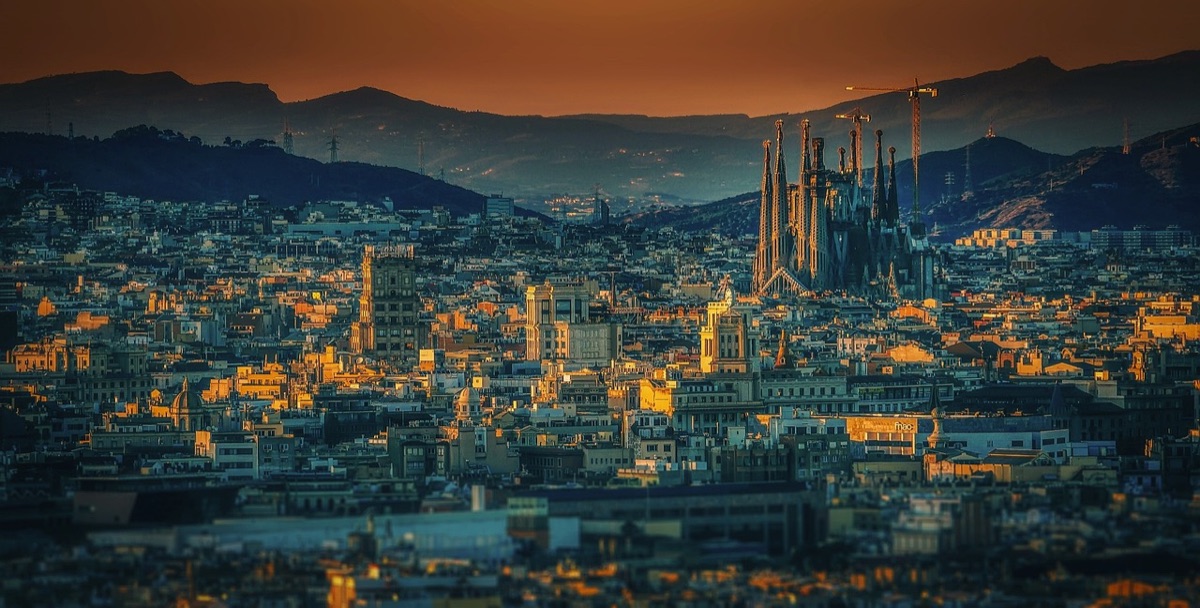
Which tower and ticket tier should I choose? A traveler stands at the entrance, looking up at the towering spires and checking their phone to see if they booked the right version of the experience. One ticket gets you through the doors; another takes you to the clouds.
According to World Bank data, Spain recorded high-technology share of manufactured exports of 9.3% in 2024.
When you enter the booking engine, you aren't just buying a ticket; you are choosing a specific experience level. Understanding the difference between these tiers is the key to avoiding a wasted trip.
Ticket Comparison at a Glance
| Feature | Standard Entry | Tower Access | Guided Tour |
|---|---|---|---|
| Primary Focus | Interior and Museum | Interior + Views | Expert Narration |
| Mobility | Walking through nave | Climbing stairs/elevator | Group movement |
| Price Point | Lowest | Mid-range | Highest |
| Time Required | 1.5–2 hours | 2.5–3 hours | 3+ hours |
The Tower Dilemma The most significant decision is whether to include tower access. There are two main options: the Nativity Facade and the Passion Facade.
The Nativity side offers views over the sprawling city and the Mediterranean in the distance, while the Passion side provides a different perspective of the newer construction.
Note that tower access involves climbing narrow, winding stairs. If you have mobility issues or a severe fear of heights, the standard entry is the smarter choice. The time commitment increases significantly with tower access, so you must factor in an extra hour of transit and climbing time.
Timing the light and the crowds
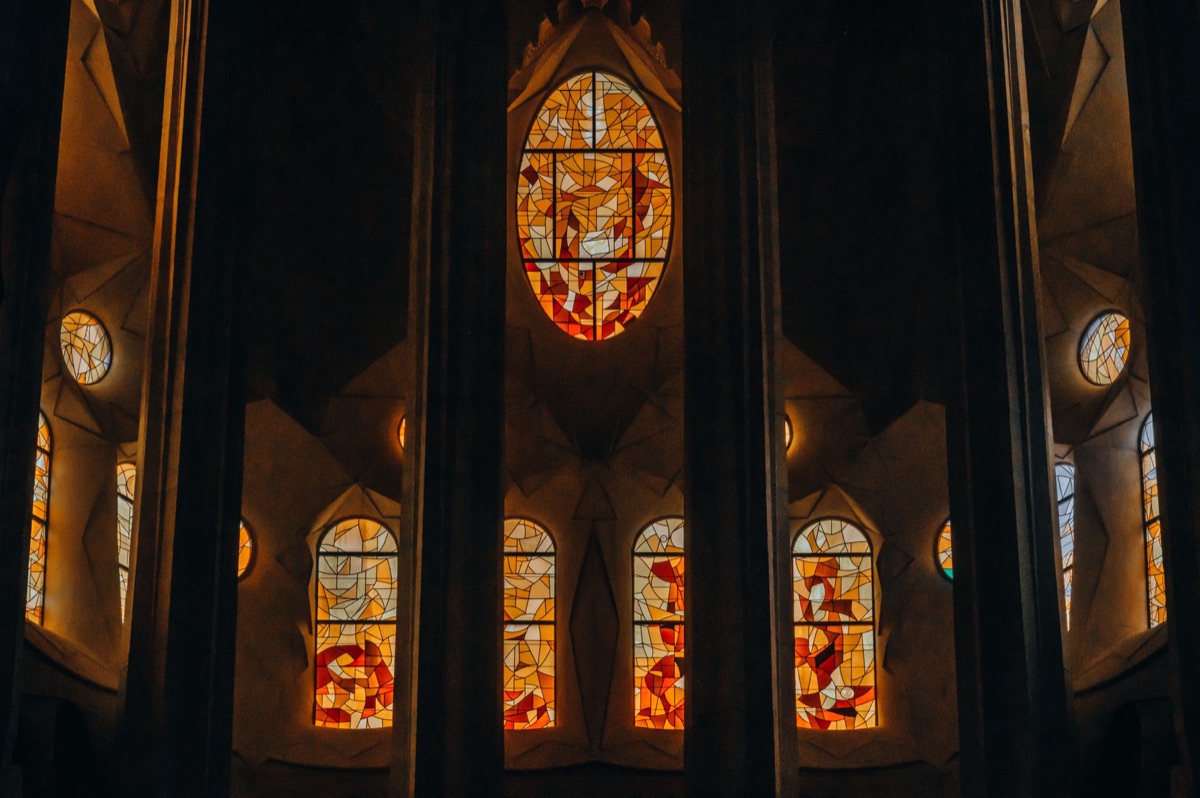
The interior of the basilica is a forest of stone and glass, and the atmosphere changes entirely depending on the position of the sun. A visitor walks into the nave at noon and is momentarily blinded by a sudden, violent burst of crimson and gold light.
According to World Bank data, Spain recorded international tourist arrivals of 36,410,000 in 2020.
To get the most out of the architecture, you must time your visit to match the sun's movement. The stained glass is designed to tell a story through color, and the "magic" happens when the light hits the specific panels.
Optimal Timing Strategies * The Golden Hour (Late Afternoon): This is when the warm light hits the Nativity Facade and floods the interior with orange and red hues. It is the most dramatic time, but also the most crowded.
* The Morning Calm: Early morning slots (around 9:00 AM) allow you to see the interior before the heaviest crowds arrive. The light is cooler and more even, perfect for photography.
* Mid-Day Intensity: Visiting at noon provides the most direct light through the higher windows, creating a surreal, ethereal glow.
Because the booking system is so rigid, you cannot simply "linger" for three hours if you have a mid-day slot. If you choose a morning slot, consider pairing it with a visit to Park Güell in the afternoon to make the most of your day in Barcelona.
Maximizing the Gaudí experience
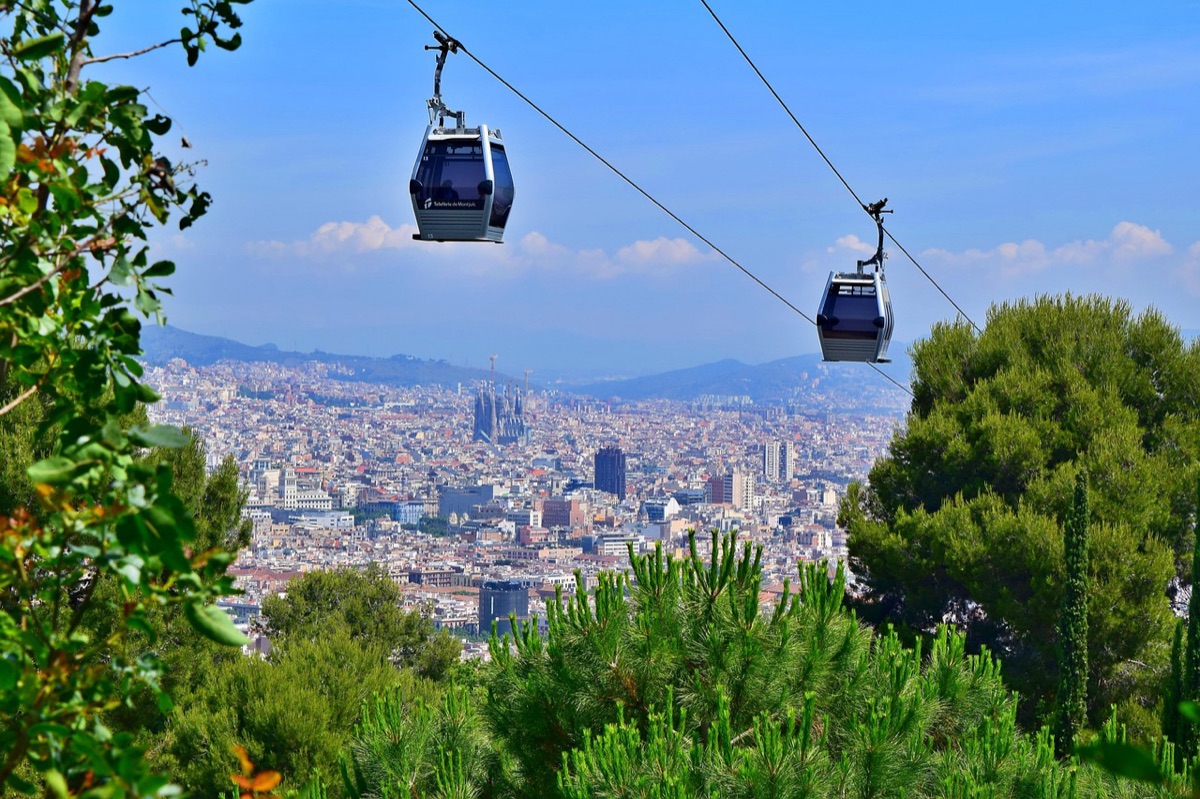
A traveler sits on a bench in the Eixample district, looking at a digital map and realizing they have much more to see than just the basilica. The visit doesn't end when you walk out the heavy wooden doors. According to World Bank data, Spain recorded share of internet users of 95.8% in 2024.
To truly appreciate the scale of the work, you should spend time in the museum located within the complex. The museum provides the historical context and the architectural blueprints that make the structure make sense.
Without the museum, you are seeing the result of a genius's mind without seeing the process.
Logistics and Accessibility * Audio Guides: If you aren't booking a human-led tour, the official audio guide is an essential tool. It provides the depth of information that a self-guided walk might miss. * Mobility Needs: The ground floor and the museum are generally accessible.
However, the towers and certain ramp areas are not suitable for strollers or wheelchairs. Always check your specific ticket type against your physical requirements. * Neighborhood Integration: The Sagrada Família is located in the Eixample district.
After your visit, walk a few blocks to find local tapas bars to decompress and process the overwhelming beauty you just witnessed.
The pre-visit checklist
A traveler double-checks their digital wallet, ensuring the QR code is visible and the phone is fully charged before stepping toward the gates. One wrong move and the reservation is lost. According to World Bank data, Spain recorded high-technology share of manufactured exports of 9.3% in 2024.
Before you step foot near the basilica, you need to ensure your logistics are airtight. The "war" is won in the preparation phase.
The Essential Checklist 1. Digital Readiness: Download your tickets to your phone and take a screenshot. Relying on live Wi-Fi at the entrance can be risky and time-consuming. 2. Dress Code Compliance: This is a functioning place of worship. Ensure your shoulders and knees are covered.
If you arrive in shorts or a tank top, you may be denied entry regardless of your ticket. 3. Time Slot Discipline: If you miss your window, you cannot simply walk in. The staff is strict about time slots to manage the flow of people.
Always arrive at least 15–20 minutes before your scheduled time. #




Comments 0