Barcelona in 4 Days: Your Essential Sightseeing Blueprint
"Four days in Barcelona isn't about seeing everything; it's about seeing the right things in the right order so you don't spend your entire vacation in a transit line."
If you try to see every museum and monument in a single trip, you will leave feeling exhausted rather than inspired. To truly conquer this Mediterranean jewel, you need a plan that balances the heavy hitters of Modernisme with the organic flow of Mediterranean life.
Key Takeaways * Pre-book everything: Secure your Sagrada Família and Park Güell time slots weeks in advance to avoid disappointment. * Cluster your sights: Group your visits by neighborhood to minimize time spent on the Metro.
* Stay vigilant: Keep your belongings secure in crowded areas like Las Ramblas to prevent pickpocketing. * Balance your pace: Mix intense architectural tours with slow, wandering afternoons in plazas.

How will I experience the Gothic style on day one? The heavy doors of a taxi slide shut, leaving you in the humid, salt-tinged air of a Mediterranean afternoon. You stand on a cobblestone street in the Gothic Quarter, your suitcase wheels rattling loudly against the uneven stones as you look for your hotel.
According to the World Bank, Spain recorded international tourist arrivals of 36,410,000 in 2020.
The first day is about finding your footing in the labyrinth of the Ciutat Vella. After arriving and dropping your bags at your hotel in the Gothic Quarter or El Born, don't rush to a museum. Instead, let the city introduce itself to you through its narrow, winding alleys.
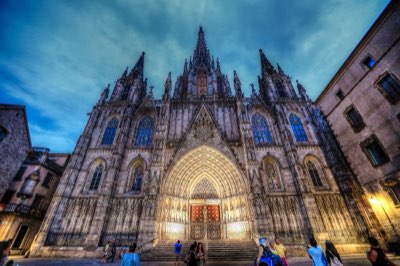
Start your walk in Plaça de Sant Jaume, the political heart of the old city, then wander toward the Barcelona Cathedral. The sheer scale of the Gothic architecture, built over centuries of history, provides an immediate sense of the city's depth.
Because the streets here are so narrow and organic, they can be disorienting; use this first day to learn the basic layout of the old town.
By late afternoon, find a small tapas bar tucked away in a side street to sample your first authentic Iberian flavors. Avoid the restaurants directly on Las Ramblas, as they are often overpriced and geared toward tourists.
Instead, look for places where the menu is short and the locals are sitting on high stools.
As the sun begins to dip, the shadows in the Gothic Quarter grow long and dramatic. This is the perfect time to simply walk. Establish the city's scale by walking from the Cathedral toward the waterfront, feeling the transition from medieval stone to the open air of the Mediterranean.
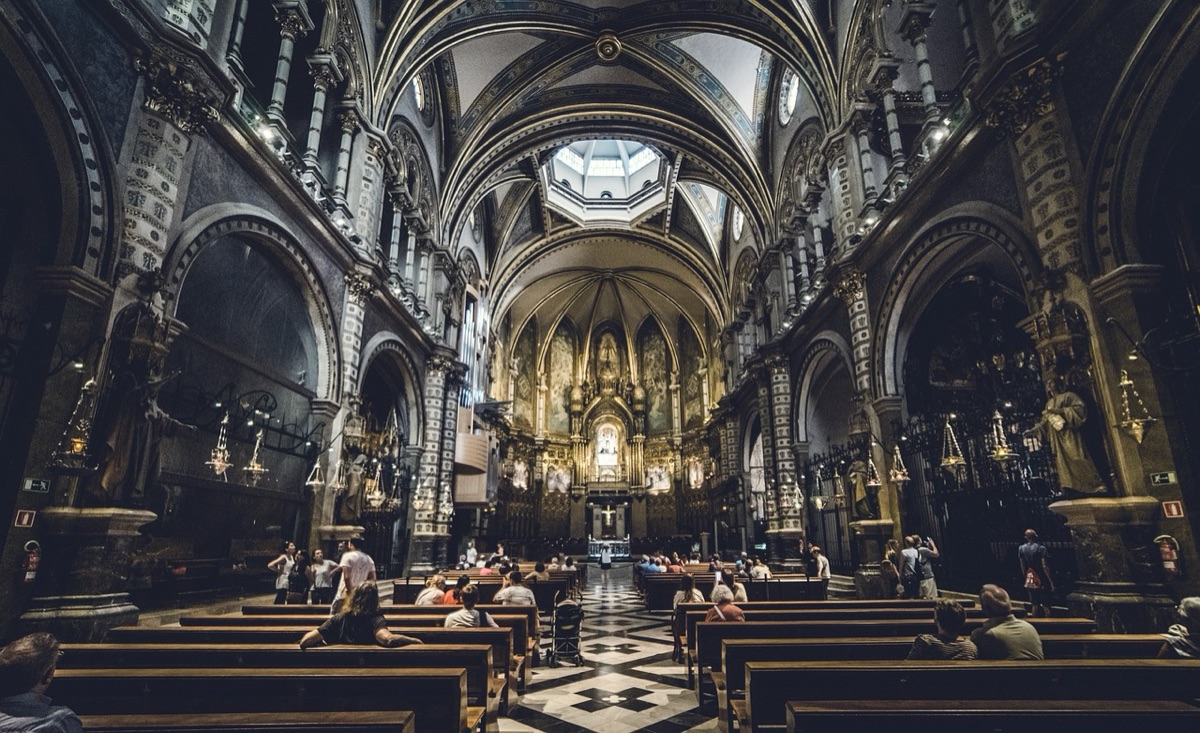
How will I dive into Gaudí's world on day two? The morning sun hits the stained glass of a massive basilica, casting kaleidoscopic patterns of red, blue, and gold across a silent congregation. You catch your breath, looking up at the soaring stone forest of the ceiling, realizing no photo could have prepared you for this scale.
According to the World Bank, Spain recorded a high-technology share of manufactured exports of 9.3% in 2024.
Day two is dedicated to the genius of Antoni Gaudí. This is your most intensive day, requiring pre-booked tickets for specific time slots. Start your morning at the Sagrada Família.
To maximize your experience, book a ticket that includes tower access; seeing the city through the organic, sculptural windows of the Nativity or Passion facades is a highlight of any trip.
After you have emerged from the basilica, take the Metro toward Park Güell. The transition from the structured, religious grandeur of the church to the playful, colorful whimsy of the park is jarring but beautiful.
The park offers a unique perspective of the city, sitting on a hill that overlooks the sprawl of the Eixample district.
The flow of this day is designed to group the most complex sites together. Because these are the "heavy hitters," you will likely feel a sense of awe-induced fatigue by mid-afternoon.
If you find your energy flagging, don't try to squeeze in another major monument. Instead, find a bench in the park or a quiet cafe to sit and process what you have seen. A successful trip isn't measured by how many sites you check off, but by how much of the atmosphere you actually absorb.
Day 3: Modernism & Coastal Life
You walk down a wide, elegant boulevard lined with palm trees, the sunlight reflecting off the polished stone of grand apartment buildings. The air feels different here—more spacious, more organized, and distinctly more affluent than the narrow streets of the old town.
According to the World Bank, Spain recorded a share of internet users of 95.8% in 2024.
Day three shifts focus to the Eixample district, the heart of Barcelona's urban expansion. This neighborhood is a masterpiece of urban planning, featuring wide avenues and the iconic grid pattern.
Here, you will encounter the "other" side of Gaudí: the residential masterpieces like Casa Milà (La Pedrera) and Casa Batlló.
Choose one of these two houses to tour in depth. Trying to do both in one morning can lead to "architecture fatigue." Casa Milà, with its undulating stone facade and surreal chimney garden, offers a different sensory experience than the bone-like, colorful organicism of Casa Batlló.
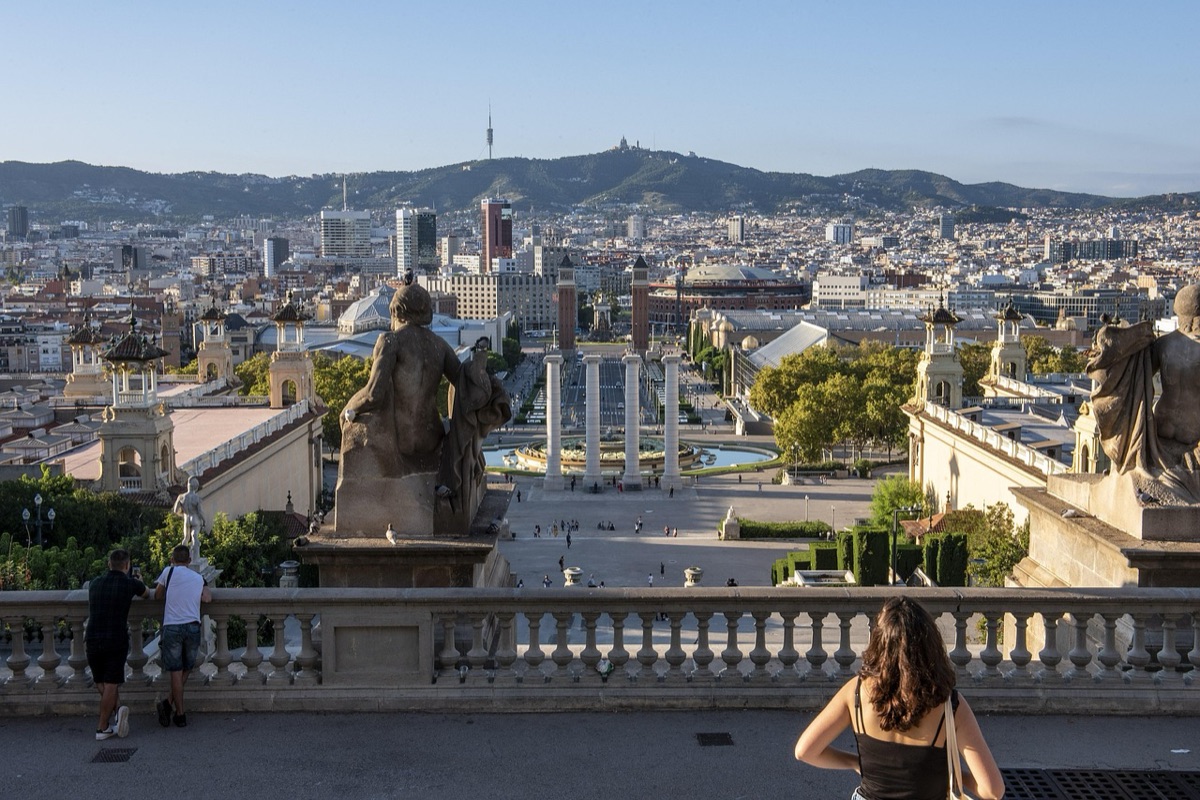
In the afternoon, catch the Metro or a bus toward Montjuïc Hill. This hill offers a complete change of scenery, with its own museums, gardens, and the spectacular views of the port. If you prefer to stay closer to the water, head to the Barceloneta district.
The beach culture here is vibrant, and walking along the promenade provides a sense of the city's connection to the sea.
The contrast between the structured elegance of Eixample and the breezy, maritime atmosphere of the coast is one of the reasons people fall in love with Barcelona.
Moving between these zones helps you understand the city's dual identity as both a historic Mediterranean port and a modern European metropolis.
Day 4: Departure or Deep Dive
The scent of fresh jam, cured meats, and blooming flowers fills the air as you navigate a crowded market hall. You weave through stalls of colorful spices and towers of fruit, the lively chatter of vendors creating a constant hum of energy.
According to the World Bank, Spain recorded international tourist arrivals of 36,410,000 in 2020.
Your final day depends entirely on your flight schedule. If you have a late departure, use the morning for a final sensory immersion. A visit to La Boqueria market is a classic choice.
Walking through the stalls, you can pick up high-quality local goods or enjoy a fresh fruit juice and a small plate of Iberian ham to fuel your journey.
For those with more time or a late-night flight, consider a "deep dive" option. You could visit the Picasso Museum in the El Born district to see the evolution of one of the world's most influential artists, or take a slow stroll through Ciutadella Park to see how locals spend their leisure time.
As you prepare to leave, reflect on the layers of the city you have uncovered. From the medieval roots of the Gothic Quarter to the visionary heights of Gaudí, Barcelona is a city of constant movement and visual wonder.
| Category | Recommendation | Why? |
|---|---|---|
| Primary Focus | Gaudí Architecture | The city's most unique global identity. |
| Best Neighborhood | Eixample | Safe, beautiful, and centrally located. |
| Must-Try Food | Tapas & Paella | Essential for the Mediterranean lifestyle. |
| Travel Mode | Metro & Walking | Most efficient way to navigate the city. |




Comments 0