Gaudí's Genius: Catalan Modernism's 19th Century Roots
"Architecture is not just about shelter; it is the frozen music of a people's soul."
To understand why Barcelona looks the way it does, you have to understand that Antoni Gaudí wasn't just building houses; he was building a nation's identity into stone. His work is the intersection of religious fervor, political rebirth, and a radical new way of looking at the natural world.
Key Takeaways
* Catalan Modernism: Gaudí’s work represents the peak of *Modernisme*, a movement that used organic shapes to assert a unique Catalan identity against global trends. * Religious vs. Secular Tension: His masterpieces range from the deeply spiritual Sagrada Família to the bourgeois elegance of Casa Batlló, mirroring the dual nature of Barcelona's history. * Nature as Blueprint: He moved beyond mere decoration, using biomimicry—the imitation of natural structures—to solve complex engineering problems.
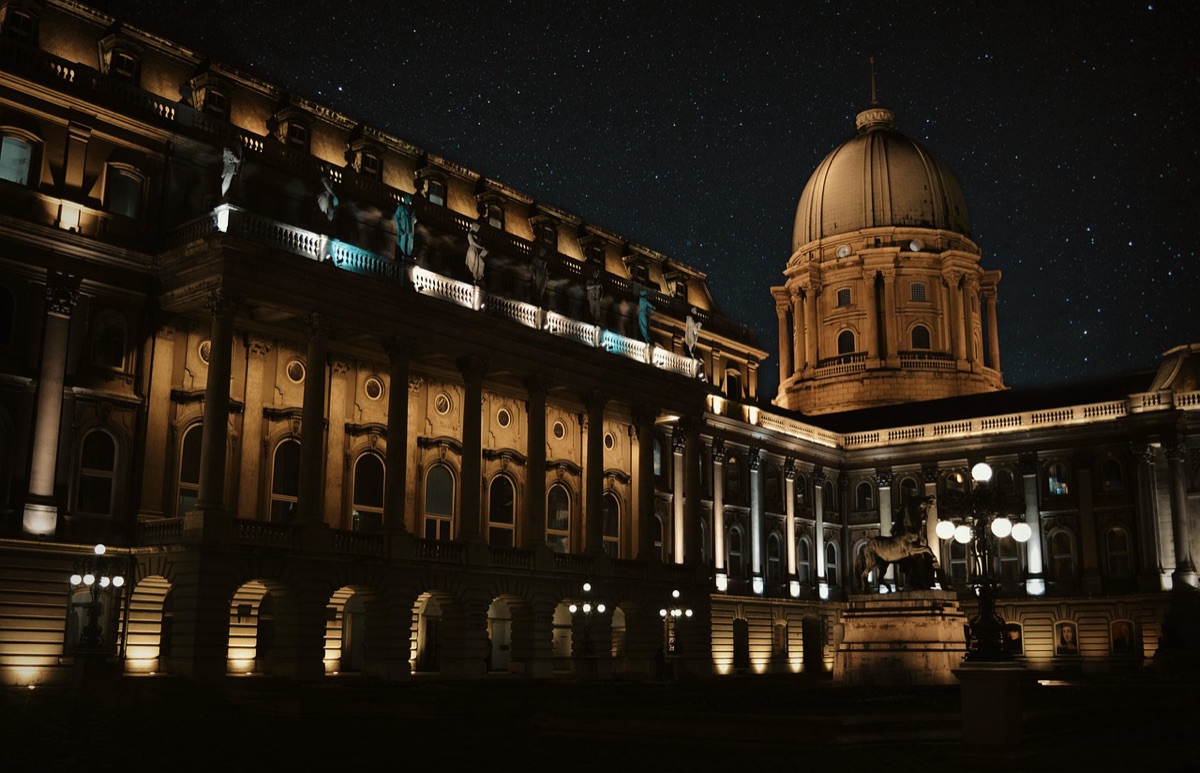
What exactly was Catalan Modernism? The sun hits the mosaic tiles of a quiet street in the Eixample district, casting colorful shadows against a sandstone wall. You stand there, looking up at a balcony that looks like it grew from the ground rather than being built by a mason, wondering how a building can feel so alive.
In the late 19th and early 20th centuries, Catalonia was undergoing a massive transformation. While much of Europe was looking toward industrial standardization, Catalonia was experiencing the *Renaixença*—a cultural rebirth.
This was a movement aimed at reviving the Catalan language, literature, and identity.
Gaudí was a central figure in this movement, but he wasn't just following a trend. While much of Europe embraced *Art Nouveau*, which often focused on surface-level decoration, Catalan *Modernisme* sought a deeper connection to the land and its history.
It wasn't just about pretty flowers on a wall; it was about creating a new visual language for a people reclaiming their voice.
Gaudí took this further by looking at nature. He believed that since God created nature, the most perfect architecture would mimic natural laws. This wasn't just an aesthetic choice; it was a structural philosophy.
He looked at the way a tree trunk supports branches or how a bone distributes weight, and he translated those organic geometries into stone and mortar.
This departure from tradition allowed him to move beyond the rigid, boxy structures of the Victorian era. He created buildings that felt organic, as if they were breathing. This tension between the old world and the new is what makes his work so striking to a modern viewer.
But how did he translate these abstract ideas into a massive cathedral?
Is the Sagrada Família a pilgrimage in stone? You walk through the doors of the Sagrada Família, and the light hits you first. It isn't the dim, heavy light of a traditional Gothic cathedral; it is a kaleidoscope of blues, reds, and yellows that makes the massive stone columns feel weightless.
The Sagrada Família is the ultimate manifestation of Gaudí’s vision. It began as a traditional neo-Gothic project but evolved into something entirely unique. The scale of the project is almost incomprehensible, spanning over a century of construction.
This slow, deliberate pace reflects the weight of the theological narrative he was trying to encode into the architecture.
The building is a masterclass in symbolic storytelling. The Nativity Facade, which was largely completed during his lifetime, celebrates life and birth with organic, overflowing detail. In contrast, the Passion Facade is stark, skeletal, and harsh, designed to evoke the suffering of Christ.
Technically, Gaudí solved the problem of massive weight through innovation. He used hyperbolic paraboloids and inclined columns—shapes that mimic the way trees lean to find light.
These weren't just beautiful shapes; they allowed him to distribute weight more efficiently than traditional vertical columns, enabling the soaring heights that define the skyline.
The project remains unfinished, a living testament to a vision that outlived its creator. It stands as a bridge between the earthly struggle of human craftsmanship and the divine aspirations of the soul. However, the grandeur of the church is only one side of his genius.
Beyond the Basilica: Gaudness in the City
You sit at a small café table in Passeig de Gràcia, sipping an espresso while looking up at a building that looks like a giant's skull or a dragon's back. The city around you feels like a living museum, where every street corner tells a different story of wealth and whimsy.
While the Sagrada Família is a public monument, much of Gaudí's genius was expressed through private commissions for Barcelona's rising bourgeoisie. These wealthy patrons wanted to show off their status, but they also wanted to be part of the cutting-edge *Modernisme* movement.
Casa Batlló and Casa Milà (La Pedrera) are perfect examples of this urban dialogue. Casa Batlló, with its undulating facade and skeletal balconies, feels like a maritime fantasy. It represents the playful, imaginative side of the movement.
Casa Milà, on the other hand, is more massive and sculptural, looking like a wave of stone frozen in time.
Then there is Parc Güell. This wasn't just a park; it was an attempted luxury housing estate. It represents the synthesis of architecture and landscape.
Gaudí used the natural topography of the hill to integrate the structures, using colorful *trencadís* (broken tile mosaics) to create winding benches and winding paths. It was a microcosm of an ideal lifestyle where humans lived in harmony with a designed, organic environment.
These residential works show how Gaudly navigated the constraints of urban living.
He had to work within specific plots of land and client budgets, yet he managed to turn every building into a unique, sculptural entity that challenged the very definition of a "house." But what exactly makes these materials and shapes work so well together?
The Materiality of Identity: Local vs. Global
You run your hand over a rough, textured stone wall in a quiet courtyard, feeling the grit of the local earth. The texture is uneven, intentional, and deeply grounded in the reality of the Mediterranean landscape. According to World Bank, Spain recorded unemployment rate of 10.4% in 2025.
Gaudí’s work is deeply rooted in the materials of Catalonia. He didn't look to distant lands for exotic marbles; he looked to the local quarries and workshops. The use of local stone, ceramics, and wrought iron was a political and cultural statement.
It celebrated Catalan craftsmanship and the resources of the region.
One of his most recognizable techniques is *trencadís*—the use of broken ceramic shards to cover curved surfaces. This wasn't just a way to recycle waste; it was a brilliant way to wrap complex, organic shapes in vibrant color.
It allowed him to achieve a level of fluidity that traditional tiles could never provide.
His approach also practiced "structural honesty." In many of his buildings, he didn't hide the bones of the structure behind plaster or fake facades. Instead, he celebrated the load-bearing elements. If a column was shaped like a tree, he made sure its function as a support was clear.
This marriage of form and function is what makes his work feel so stable and "correct" to the eye, despite its radical shapes. He drew heavily from Gothic structures and Islamic geometry, blending these historical influences into a new, modern synthesis.
This wasn't an imitation of the past, but a conversation with it.
How to Experience the Gaudí Trail
When I first visited Barcelona in the spring of 2025, I found myself overwhelmed by the sheer density of the architecture. I realized that you cannot simply wander and see everything; you need a strategy to avoid "monument fatigue."
To make the most of your time, follow this logical progression:
- Start with the Spiritual: Begin at the Sagrada Família early in the morning to catch the light. This sets the emotional tone for the trip.
- Move to the Urban Center: Walk from the Sagrada Família toward the Eixample district to see the residential masterpieces like Casa Milà and Casa Batlló.
- Escape to the Park: Head to Parc Güell in the late afternoon. The winding paths and mosaic benches are perfect for catching the golden hour.
- Reflect and Review: End your day at a local tapas bar to discuss the textures and shapes you encountered.
It is important to note that while these sites are stunning, they can be crowded and physically demanding. If you have mobility issues, the steep inclines of Parc Güell and the many stairs in the residential buildings may be challenging.
Gaudí’s Enduring Legacy: More Than Just Buildings
You stand in the middle of a bustling plaza, looking back at the skyline where a massive, unfinished spire pierces the clouds. You realize that these buildings aren't just landmarks; they are the heartbeat of the city, constant and unchanging amidst the rush of modern life.
Gaudí’s legacy is often misunderstood as mere decoration. People see the colors and the curves and think of "style." But the true legacy lies in his ability to change how we perceive the relationship between humans, nature, and the built environment.
He proved that architecture could be organic without being flimsy, and that tradition could be a springboard for radical innovation. His work remains a cornerstone of Catalan identity, a symbol of a period when a city decided to define itself through beauty and boldness.
For the modern traveler, visiting Barcelona is an exercise in understanding this tension. It is a reminder that architecture can be a vessel for culture, a tool for political expression, and a way to touch the divine through the medium of stone.
#




Comments 0